Celebrating Christina’s Legacy and Contribution
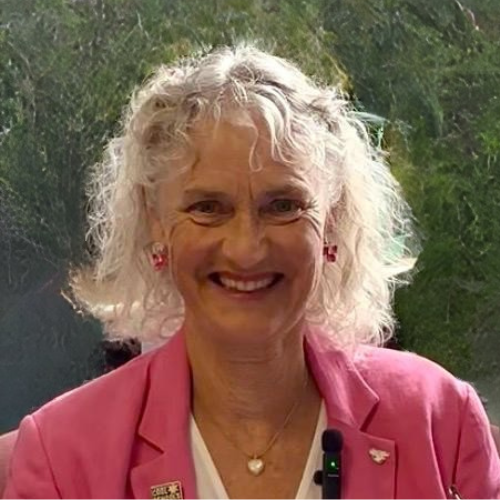
20 Years of Peace Education with Christina Barruel
Written by Valentin Ruschmeyer (Intern/Interviewer)
As Head of Peace Education, Christina Barruel led the Peace Foundation’s school programmes in Aotearoa New Zealand for 20 years. In this role, she oversaw the Cool Schools Peer Mediation Programme in the primary sector and Leadership through Peer Mediation (LtPM) in the secondary sector. These programmes are designed to help school communities handle conflict in ways that strengthen relationships rather than damage them.
Christina trained as a primary school teacher and in the early 1990s, she encountered the Cool Schools programme through its founder Yvonne Duncan. She quickly realised, “how important safe, respectful, constructive relationships are if learning was to be maximised.” When ākonga (learners) do not feel safe, their ability to learn is affected. When kaiako (teachers) are challenged by strained relationships with colleagues and ākonga, their teaching suffers. For her, peer mediation skills are essential life skills for the whole school community and beyond.
One of the stories that captures peer mediation’s impact is the journey of a student she calls Tom. As a young student, Tom struggled with bullying and other challenging social behaviour. Later, at secondary school, he joined the LtPM peer mediation training and discovered a sense of purpose in supporting and giving service to others. He loved it and went on to be the Outstanding Peer Mediator of the Year for two consecutive years. Afterwards, Tom studied conflict resolution at AUT and volunteered with the Peace Foundation to create and trial Kia Tau Te Rangimārie, a conflict resolution programme for kura kaupapa. Later on, he became a primary school teacher and is now the principal of a school that promotes constructive conflict resolution. “He turned over a new leaf,” Christina says, and is now passing these skills onto future generations.
Another moment that stayed with Christina came years later in a carpark. A truck driver noticed the Cool Schools logo on her car and asked if she was the “Cool Schools lady.” He told her that he was ‘still married’ because of the skills he learned as a peer mediator at his primary school years ago. Those skills now guide how he listens, communicates, and recognises the feelings and needs of others in his adult relationships, including his marriage. Christina walked away from that short exchange with “lovely, warm fuzzies”, which reinforced her belief that what students learn as peer mediators continues to support their relationships long after they leave school.
Christina recognises that peer mediation work has changed her personally as well as professionally. She realised she needed to “practice what I preach” in her own personal relationships. She has learned to listen with empathy, reflect back what others say, and use clear ground rules that keep conversations safe and respectful. She describes learning to “be my own mediator”, using the tools she teaches in schools to navigate difficult conversations in her own life and to successfully support others to repair their relationships when need be.
At the heart of Christina’s approach stands a simple philosophy. She summarises this as CRRCW: Collaborative Relationships Restoring Community Wellbeing. Peace education, in her view, works when people collaborate to build strong connections, show empathy, mutual respect and where conflict is approached in a restorative way. Harm is repaired respectfully and the well-being of the whole community maintained.
Christina has three key messages.
- Firstly, “Conflict is a normal part of life; it is how you deal with it that makes the difference.” This means that the goal is not to avoid conflict, but to handle it in ways that protect and strengthen relationships.
- Secondly, “Feelings and needs are connected”. Negative feelings point to needs that are not met while positive feelings indicate that needs are fulfilled. When the feeling and the need are identified and expressed simply, it builds empathy and understanding.
- Thirdly, she encourages the use of “a talking tool to promote safe communication for difficult situations.” A clear structure for conversation allows a safe pathway for the speaker to be heard and for the listener to show understanding by reflecting back key information. This lowers defensiveness and opens the door for respectful, honest, open communication from both parties which supports effective, successful problem solving.
Through her own life experiences Christina believes that these messages really do support relationships to thrive especially in times of conflict.
We warmly welcome Dianna Cotter to The Peace Foundation whānau
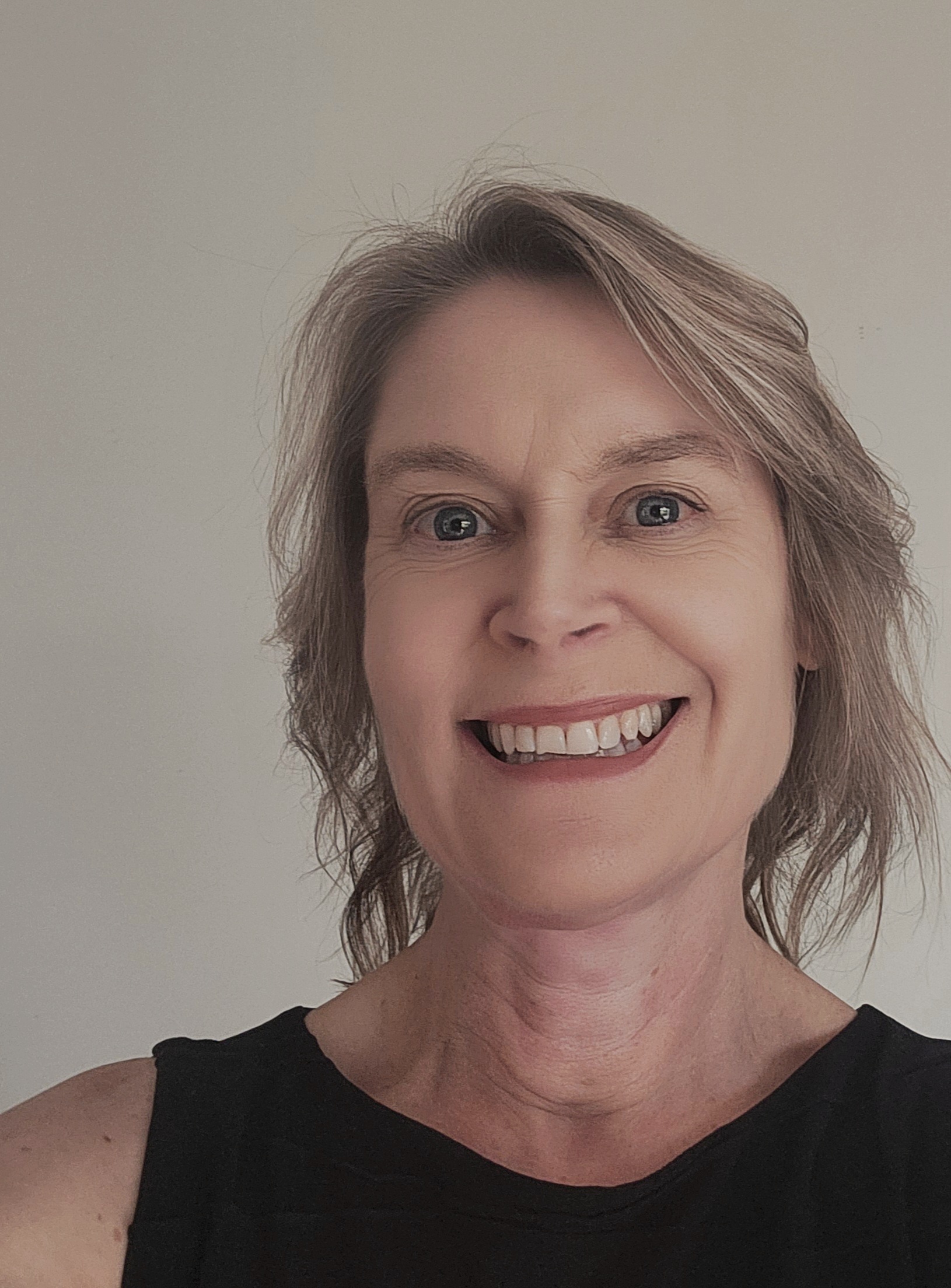
I first encountered the Peace Foundation when I was working at Pukeoware School and arranged for Christina Barruel to come and help us get our Cool Schools Peer Mediation programme up and running again.
It’s a privilege for me to be joining the Peace Foundation Team to contribute in the Peace Education space. My professional background has been in the Primary Education Sector, where I’ve served as a teacher, team leader, Kāhui Ako across school teacher, deputy principal and Special Education Needs Coordinator over the last 30 years. I have always been drawn to mahi that seeks to make a positive difference in the world, especially for our most vulnerable, and this Head of Peace Education role came at exactly the right time for me. For some time, I’d been grappling with how to best address the growing impact of complex societal pressures upon our tamariki and their whānau. I believe that education is a powerful vehicle for positive change. I had been a Cool Schools Peer Mediator Coordinator in a primary school so I know firsthand that the answer to greater wellbeing and social cohesion lies in people having the knowledge and skills to communicate well and solve their own conflicts.
Joining the Peace Foundation Team is personal for me. I know this mahi is powerful and I also know that the costs are high when we and the people in our lives don’t have what’s needed to navigate tensions successfully. We all have stories to tell where we, and those around us, didn’t have the awareness, knowledge or skills to communicate effectively and navigate conflict situations well. When I think about my own family’s journey, I am reminded that personal, whānau and intergenerational peace is possible if we are brave and intentional.
The human experience is complex and we can’t deny that we all need positive and proactive supports to help us get through the tough times and thrive. I believe that the road to peace is not an easy one. Peace starts with each of us choosing to lean into our vulnerability and courage, and face the hard things through a lens of empathy and self-compassion.
Our Cool Schools Peer Mediation (Primary) and Leadership through Peer Mediation (Secondary) programmes are empowering people and changing lives. I want to be a part of helping people to access what they need to shift from surviving to thriving. As a leader, I know that our best work is done together.
Ehara taku toa i te toa takitahi, engari he toa takitini – Success is not the work of an individual but the work of many.
My vision for the Peace Foundation is to see our impactful kaupapa have even greater reach. There is much mahi to be done to extend educational programmes and further peace education within whānau and community spaces. Continuing the very special legacies of Yvonne Duncan from 1990, and Christiana Barruel from 2005, is an honour and a responsibility. I’m excited to lead our Team into the Peace Foundation’s next chapter.
Whakanuia Te Rongo! The Peace Foundation's 50th Anniversary Celebration
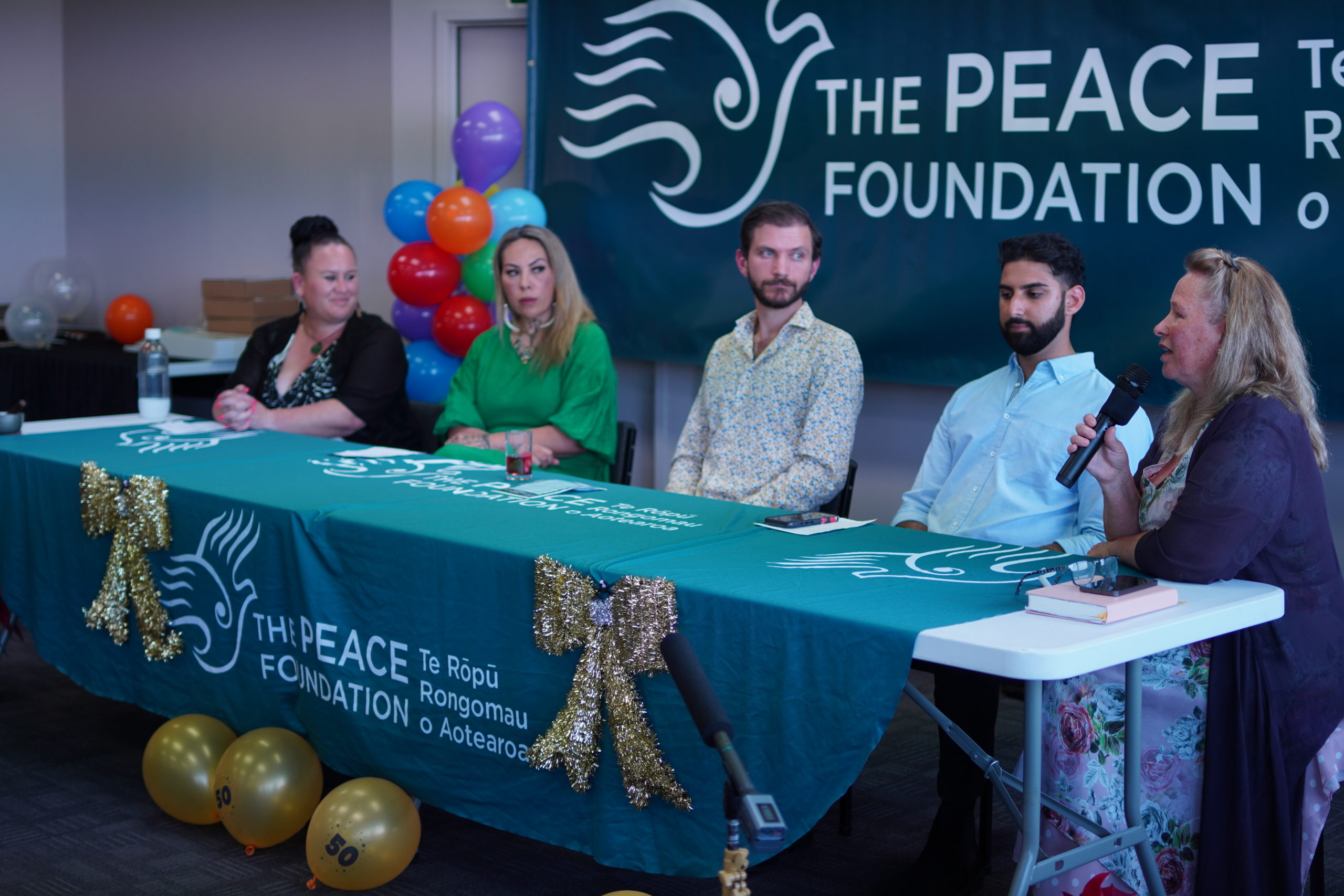
The panellists (left to right): Joleen Turu, Helena Kāho, Dr William McInerney, Fahad Shehzad, and Dr Cherie Taylor-Patel.
October 2025 marked the 50th anniversary of Te Rōpū Rongomau o Aotearoa – The Peace Foundation. To celebrate, we hosted a special panel discussion, “Where on Earth is Peace?”, facilitated by award-winning educator and peace advocate Dr Cherie Taylor-Patel, and featuring Joleen Turu (Deputy Principal of Culture and Pastoral Care, Papakura Normal School), Helena Kāho (co-founder of HIVĀ, ADR lawyer and mediator), Dr William McInerney (global peace educator and researcher), and Fahad Shehzad (former Peace Foundation Youth Ambassador and leadership award recipient). Each shared how peace education is practised in their communities.
For five decades, The Peace Foundation has supported kura across Aotearoa to create safer environments by empowering kaiako and ākonga to manage minor conflict through peer mediation. Peace education and conflict resolution skills, when nurtured from an early age, help young people develop empathy, resilience and the confidence to navigate challenges constructively. These lifelong skills continue to strengthen wellbeing, leadership and peaceful relationships in schools and beyond.
We extend our heartfelt thanks to our funders and sponsors, board members, Peace Foundation staff, facilitators, and all the whānau who have supported us over the past 50 years.
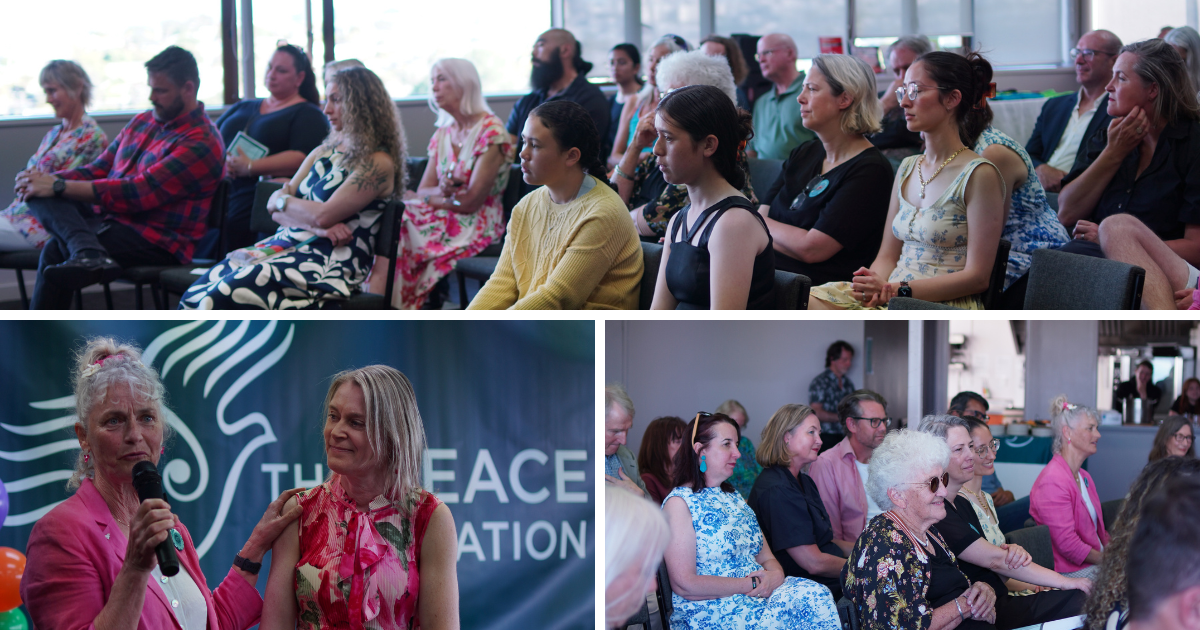
Moments from The Peace Foundation’s 50th anniversary celebration.
Youth Peace Week and Youth Peace Symposium 2026: Peace and Sustainability - Rangimārie me te toitūtanga
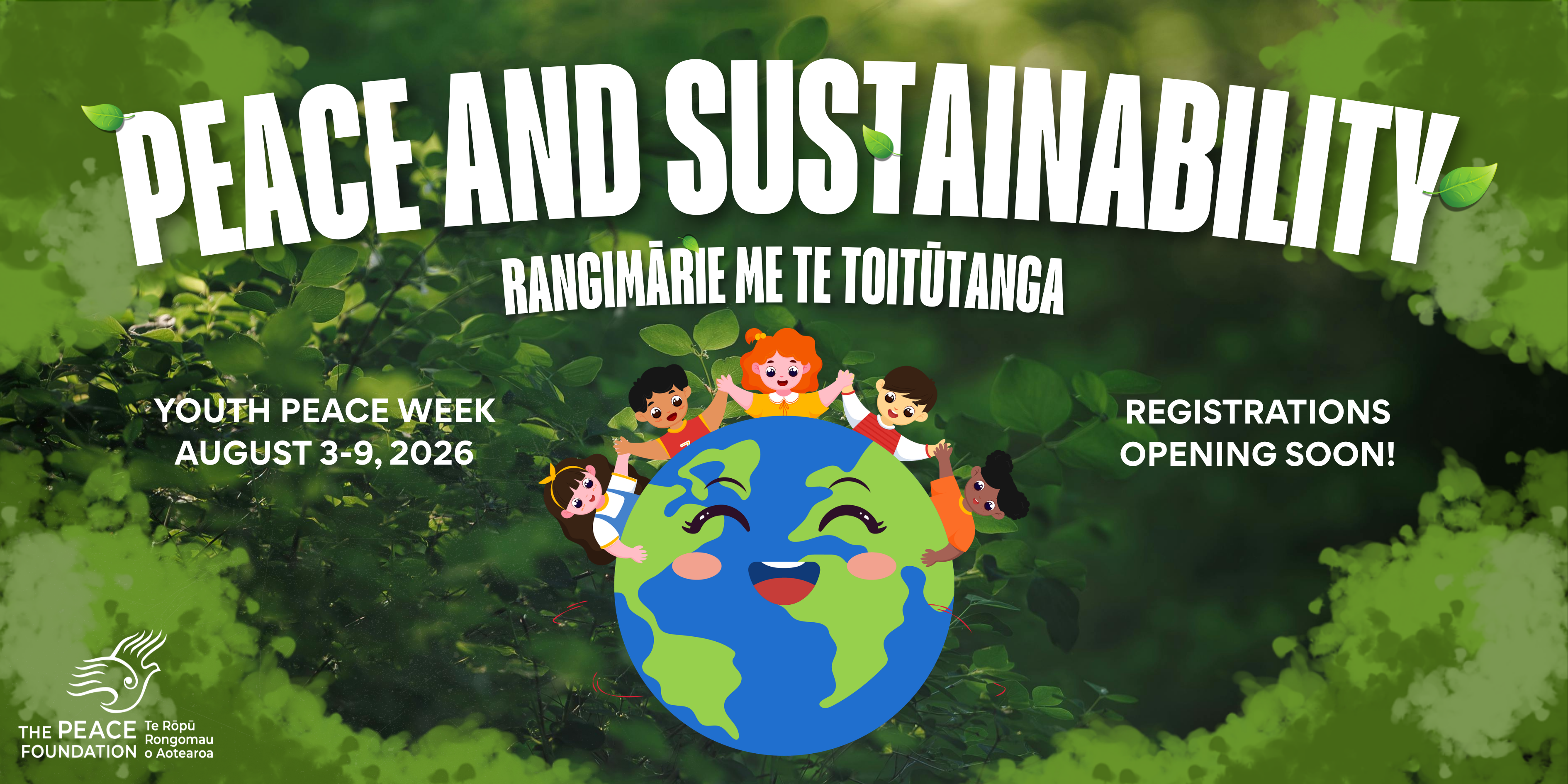
Youth Peace Week takes place each August, coinciding with Hiroshima Day (6 August) and Nagasaki Day (9 August), reminding us of the importance of peace and the consequences of conflict. As part of this kaupapa, The Peace Foundation provides a free toolkit for schools, filled with practical and creative ideas such as community activities, art projects, and ways to promote kindness and connection across kura and communities. Once registered, schools will receive this toolkit to support their Youth Peace Week activities.
In 2026, Youth Peace Week will run from 3–9 August, bringing together kura and communities across Aotearoa to take part in activities that promote peace in meaningful and practical ways. This year’s theme “Peace and sustainability – rangimārie me te toitūtanga”, will guide both Youth Peace Week and the Youth Peace Symposium, encouraging rangatahi to explore how caring for people, communities, and the environment are all connected.
The Youth Peace Symposium will return on Friday 21st August (Week 5, Term 3, 2026) as part of the 2026 Youth Peace Week special events, providing a space for rangatahi to come together, share their ideas, and learn from one another. The symposium builds on the week’s activities, offering an opportunity to reflect, connect, and continue the conversation around rangimārie me te toitūtanga. Stay tuned for registration details.
A Time for Mindfulness
As we put together this Peaceworks Newsletter, we are mindful of the present conflicts in the Middle East and the ongoing conflict between Russia and Ukraine. It is heartbreaking to think of families uprooted from their homes, living in fear and often short of food, clean water and other basic supplies.
This is also an opportunity to reflect. What circumstances have led us to this point? How can we individually and collectively work towards a more peaceful and just world? Here are some resources that are useful starting points for conversations with friends, family and students.

International Rule of Law
In 1945, after the horrors of WWII, the United Nations was created. This international body is underpinned by three pillars: international peace and security, human rights, and development. Attaining these three pillars directly depends on the enactment of rule of law within and between nation states.
For a short but useful overview of what rule of law means, refer to
The United Nations explanation
Learning the history behind the Middle East conflict
There is an interesting interview recorded on the Saturday Morning programme, Radio New Zealand. Mihi Forbes interviewed Roham Alvandi about the history behind the present conflict. Roham is a respected author and academic, whose area of expertise is the Middle East. The interview is easy to locate by a quick Google or on the Radio NZ site:
The History of Anglo-American involvement in Iran

1. Wellington Cool Schools Coordinator’s Workshop
Join us for an enriching Cool Schools Coordinator’s Two-day Workshop in Wellington, designed specifically for primary school kaiako. This workshop strengthens conflict-resolution capability and equips you with practical tools to empower your ākonga to manage their own disputes and become positive role models for their peers.
Across the two days, you will explore effective strategies to build independence, empathy, and constructive communication among tamariki — fostering a peaceful and resilient school culture.
By the end of the workshop, participants will be confident in training and supporting a team of school peer mediators and will understand how to establish a successful peer mediation service at their kura.
For more information and registration:
Click here
2. Tāmaki Makaurau Auckland Cool Schools Network Meeting
Join fellow Cool Schools coordinators across Auckland to share successes, challenges, and practical ideas to strengthen peer mediation in your kura.
More information and registration:
Click here
3. Waitaha Canterbury Big Mediators’ Day Out
The Peer Mediators’ Big Day Out is for all schools participating in the Cool Schools or LtPM programme.
This FREE event is an excellent opportunity to recognise and celebrate the efforts of mediators, inspiring both experienced and new members alike.
Get ready for an exciting day filled with fun games, prizes, engaging activities, and insightful presentations!
More information and registration:
Click here

Our Special Pick for Primary School Children:
The Smeds and the Smoos
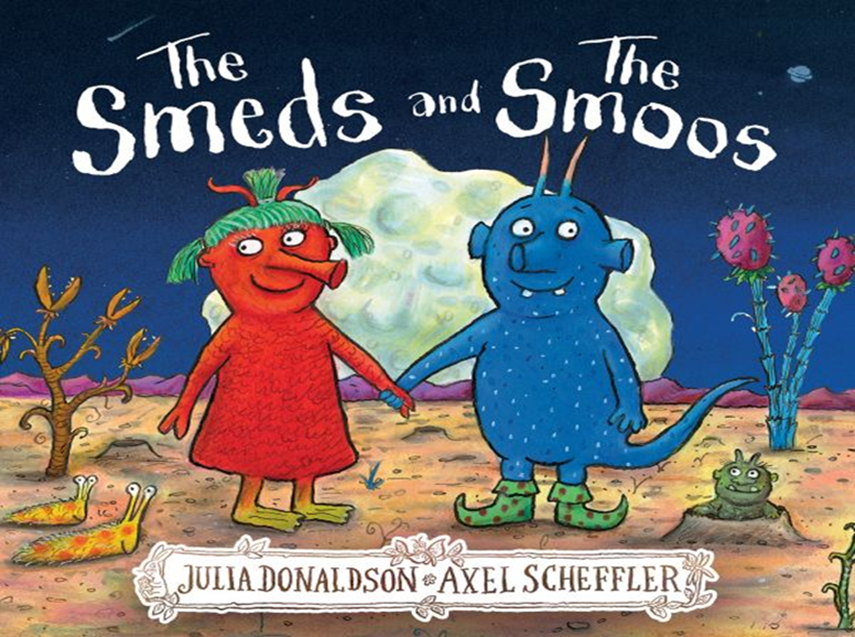
Author: Julia Donaldson
and illustrated by Alex Scheffler
ISBN 978 1407 18889 8
Alison Green Books, 2019
Famed author of Gruffalo, Julia Donaldson tackles the issue of cross-cultural intolerance. On an imaginary planet young Janet Smed befriends young Bill Snoo. Their friendship blossoms but so too does their grandparents’ disapproval. Janet is sternly told to never play with the blue Snoos, because ‘they sleep in holes, they wear strange shoes, they jump about like kangaroos.’
Likewise Bill is admonished, his grandparent telling him that red Smeds ‘have strange hair upon their heads, they sleep in funny things called beds.’
Janet and Bill resolve to run away, flying off in Grandfather Smed’s rocket. The Smed and Smoo families pursue the young lovers. However, with only one rocket left, they are forced ‘suspicious and scowling’ to go together. Thrown into close proximity and facing shared challenges, they begin to understand and help each other.
The book concludes with a delightful twist. Unsuccessful in their mission to find Janet and Bill, the blue Smoos and red Smeds return to their planet. On touch down, they discover not only a very happy Janet and Bill but a beautiful baby ‘purple from head to toe’. A quick google with take teachers to some useful teaching ideas linked to this book.
Our Top Pick for Secondary Students and Adult Readers:
The Meeting Place
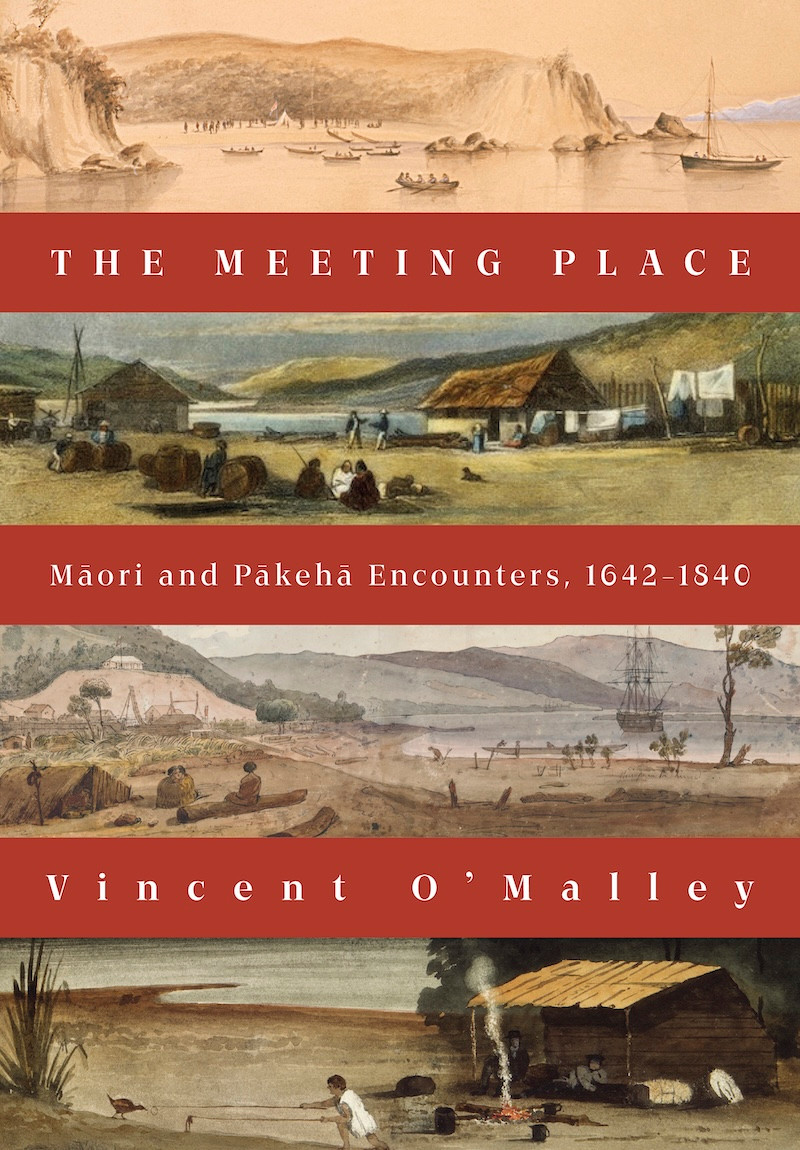
Written by Vincent O’Malley
ISBN: 9781869405946
Early in February 2026, we again celebrated the signing of Te Tiriti o Waitangi. However, recently there has been increasing political debate about the relevance of this document. Te Tiriti/The Treaty cannot be understood in isolation from the social and political context from which it emerged. Vincent O’Malley’s book, The Meeting Place, is highly regarded as a fair and objective account of early Māori and Pākehā encounters and relationships.
The Meeting Place: Māori and Pākehā Encounters, 1642 – 1840 was first published in 2012 by Auckland University Press. The revised 2025 version, published by Bridget William Books, has more detail about Te Waipounamu (South Island) encounters and early journeys across the globe by Māori. The author, Dr. Vincent O’Malley is a respected Pākehā historian. He has researched and published extensively about early Māori and Pākeha relationships and worked on the Treaty of Waitangi Tribunal.
O’Malley takes historian Richard White’s concept of ‘the middle ground’. He describes this as an early stage in the colonisation process, where survival, need and expediency force the new arrivals (in this instance Pākehā) and the native population (Māori) to negotiate, accommodate, compromise and adapt. White describes this as a place ‘in between cultures’, where neither party is the dominant power. Indeed, in the New Zealand context, early Pākehā arrivals were frequently dependent on Māori for their survival and successful engagement was of necessity.
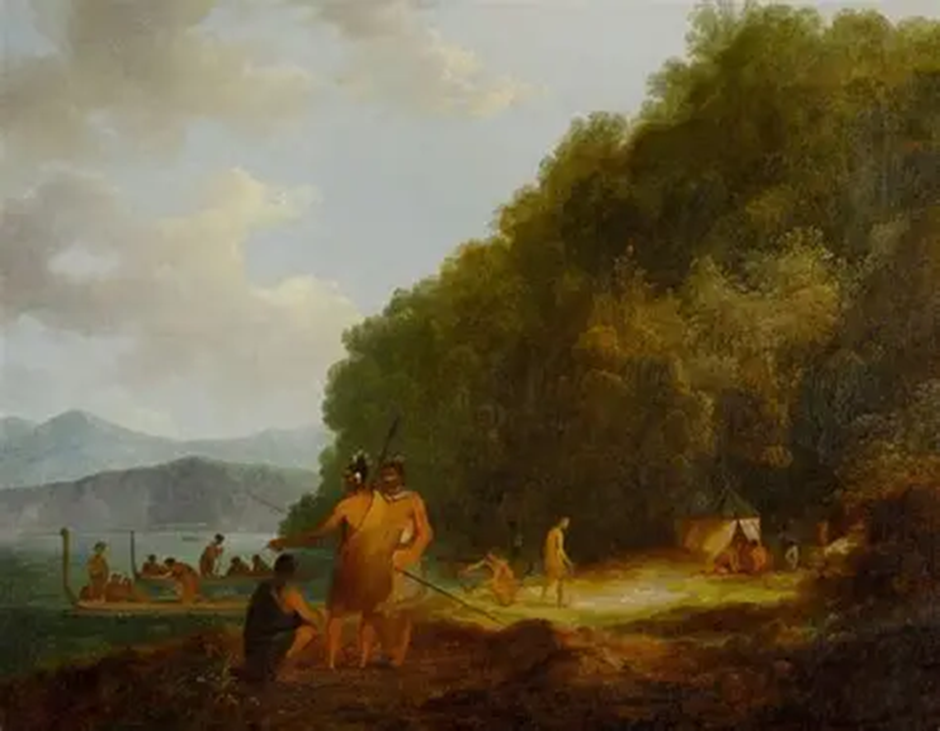
O’Malley does not deny that violent encounters occurred. His book documents some of these, and the factors that gave rise to conflicts. However, his key point is that for the most part, Māori and Pākehā recognised advantages (and challenges) in their early encounters and somehow managed to find some common ground and mutual benefit. He groups areas of engagement into different chapters. These include trading relationships, sexual, religious and political encounters. The book also includes illustrations depicting this period, such as John Webber’s 1777 painting of Cook’s encounter with Māori in Queen Charlotte Cove (see below).
The chapter on trade is fascinating. This details how early Māori quickly recognised the needs of the new arrivals and began to supply goods and services. Goods included timber, flax, fish and agricultural produce. In turn, Māori recognised the value of the newcomers’ goods. Over time, both parties adapted their understandings and practices related to exchange, finding ‘middle ground’. By 1840, some iwi had so successfully taken on and adapted new technologies and practices that they built ships that carried their produce within New Zealand and to Australia.
The final chapter looks at the post 1840 period and the subsequent erosion of the ‘middle ground’. This, O’Malley attributes to the influx of migrants, following the signing of the Treaty of Waitangi. With the shift in population balance to Pākehā advantage, the period of negotiation and a relatively balanced relationship came to an end.
Recent Comments