Peace Week Celebrations & Peer Mediation – Twizel Area School
Peace Week Celebrations and Peer Mediation Training – Twizel Area School
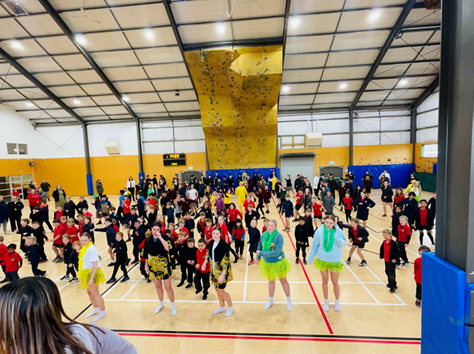
In the central South Island, Twizel Area School students celebrated Peace Week with three activities. These activities involved the entire Year 1 – 13 school and were planned and organised by the school’s peer mediation team. The team chose activities that ‘promoted kindness, understanding and a sense of community’. Students created Peace Posters and Peace Doves, which were displayed around the school. The week culminated in a fun for all – Zumba4Peace.
‘Our biggest event to organise for Peace Week was Zumba4Peace. The idea came about because our new physical education teacher, Mrs Baterna, has been teaching Zumba to all her middle and senior school classes this year. We thought it would be a fun, energetic way to bring the whole school together.’
On the 24th of July, Peace Foundation facilitator, Tracy Scott, visited Twizel Area School to train a group of senior students as peer mediators. In McKenzie’s words, ‘students learned valuable skills in active listening, conflict resolution, and how to support a more positive and respectful school environment. Alongside this, they learnt about Youth Peace Week. Youth Peace Week was started by the Peace Foundation in 2003 … to encourage young people to engage with the values of peace, understanding and cooperation. Youth Peace Week happens in August each year and coincides with Hiroshima Day on 6th of August and Nagasaki Day on 9th of August to educate people of the consequences of nuclear war and to campaign for a world free of nuclear weapons.’
A big shout out to peer mediators at Twizel Area School for organising Peace Week events and to teachers and school leaders supporting in the background. Thank you also to McKenzie for a great write-up.
Peer Mediation Training - West Coast
During Terms 2 and 3, our South Island facilitator, Jan Zuckerman, has done incredible mahi across the West Coast. Jan trained over 20 kaiako and ākonga from St Patrick’s School Greymouth, St Mary’s Hokitika, and Kaniere School, receiving wonderful feedback from staff. They found that the Cool Schools Peer Mediation Programme aligns closely with their school values and has empowered students to take on leadership roles.
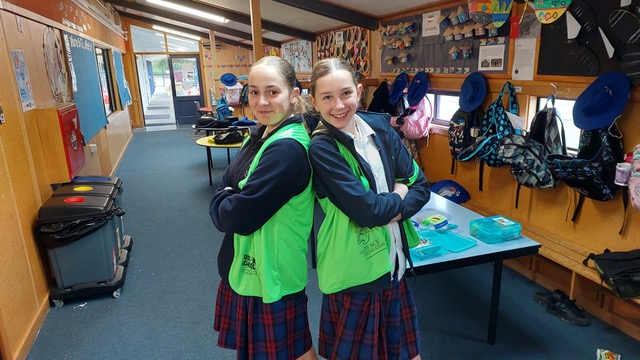
Above: Peer Mediators’ Training at St Patrick’s in Greymouth
Peer Mediation Training at St Patrick’s and Kaniere School
At St Patrick’s, Principal Ian Johnson was particularly enthusiastic about the programme and expressed interest in working with the Peace Foundation again in 2026. St Patrick’s, which has been involved in Peer Mediation for over 30 years, continues to thrive under Jan’s guidance. Each year, Jan trains the Year 6 and 7 students and will be working alongside them again next year.
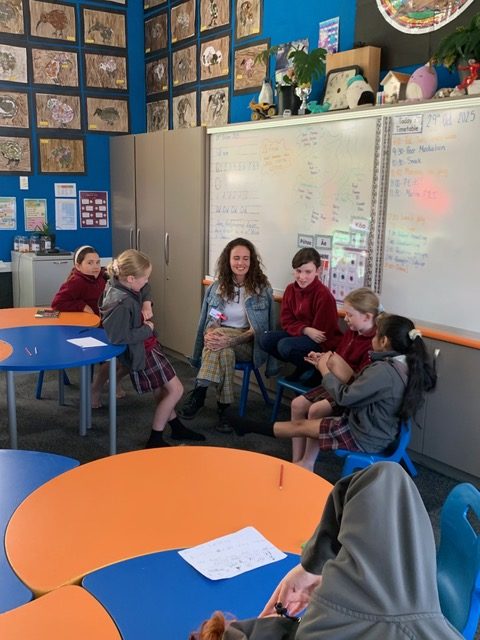
At Kaniere School (below), the teacher, Karina, is supporting the role play in a dispute concerning ‘Cain’ not sharing the computer with ‘Kate’ in their classroom. During the training, Jan incorporates the five magic open questions, encouraging students to express their thoughts and feelings, reflect on challenges, and work together toward solutions. The children value these opportunities to practise their skills, and Jan finds great joy in watching them grow into confident mediators—supported and encouraged by their teachers.
“The Peer Mediation Programme from the Peace Foundation has been an invaluable part of our school culture for the past 12 years, and Jan’s commitment to teaching these essential skills is very much appreciated.”
— Rachel, Principal at Kaniere School
Meet The Peace Foundation’s Interns from France and Germany
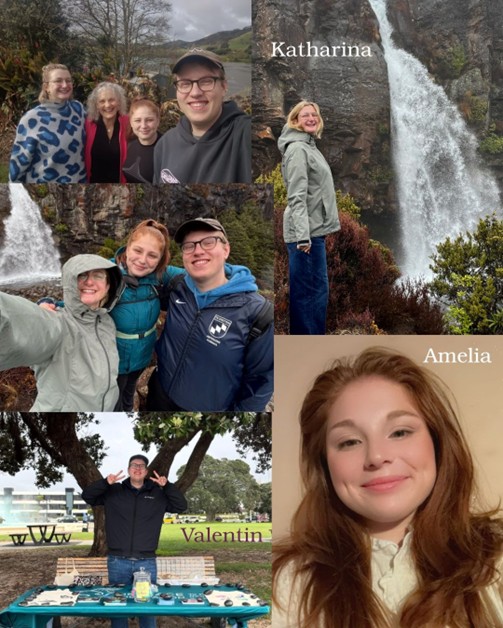
Above: The Interns with Christina
Valentin
Kia ora koutou katoa. My name is Valentin Ruschmeyer, and I’m excited to have recently joined the Peace Foundation as an intern. I am currently pursuing a bachelor’s degree in international social work at Ludwigsburg Protestant University of Applied Sciences in Germany and have developed a keen interest in conflict resolution, mediation processes, community building, and global peace work. During my time at the Peace Foundation, I hope to learn from inspiring peace workers, activists, students, and educators while gaining a deeper sense of how a thriving NGO operates. I’m especially excited to contribute my own ideas and social work perspectives to the team’s ongoing projects.
As an intern, I am involved in a variety of tasks within the organisation, with a focus on assisting in the restructuring of the Peace Ambassador Programme; evolving the Foundation’s social media presence; participating in and facilitating Cool Schools and LtPM trainings; as well as annual events such as the Youth Peace Symposium, the AGM, and the 50th anniversary celebration.
I have already gained many new insights and perspectives from the wonderful Peace Foundation team, and I cannot wait to see what the next four months will bring.
Amélia
My name is Amélia Gabrielli, and I joined the Peace Foundation at the end of July. I am from France, where I am currently pursuing a Bachelor’s degree at Sciences Po Aix, a school of political and social sciences. This internship is part of my third-year studies, and I am truly glad to be spending it here during such a special year. I joined the Peace Foundation to learn more about how a NGO works, and I hope this experience will inspire what I choose to do in the future.
As an intern, I have been involved in various tasks, such as expanding our social media presence and audience—especially on Instagram and TikTok. I also attended Cool Schools and LtPM trainings as a participant, as well as annual events like the Youth Peace Symposium, the AGM, and the 50th Anniversary celebration. I am also designing a prototype app for the Cool Schools Programme to assist in the recording of information from mediations completed by student peer mediators on duty, and to help teacher coordinators with collating and analysing mediation data.
Time has passed so fast, and as my internship comes to an end, I feel both grateful and sad to leave, but I already know that I will keep wonderful memories of this experience and the amazing people I’ve met here.
Katharina
My name is Katharina Meid, and I’m very excited to have recently joined the Peace Foundation at the beginning of October as the newest intern. I am currently studying International Social Work in Berlin, Germany, where I’ve developed a strong passion for project work that brings people together and creates positive change. That’s why I feel I’m in exactly the right place here at the Peace Foundation.
As an intern, I support the team with upcoming projects and our social media presence. I am also working alongside Amélia on the Cool Schools Programme app. I’m looking forward to gaining new insights, learning from this inspiring team, and contributing my ideas to the Foundation’s peace education work over the next few months.
Meet Olivia Shimasaki – a valued member of the Peace Foundation team
The Peace Foundation is exceptionally fortunate to have Olivia as part of its team. Within the Foundation, she is the Youth Programmes Co-Ordinator. Olivia is also closely involved with other peace and disarmament groups and has extensively researched the lives of Hiroshima and Nagasaki survivors. Her work reflects her belief that ‘Peace is a verb; we must continually strive for it through action, reflection, and connection.’
Olivia’s work is best captured in her own words:
‘For the past nine years, my research has focused on survivors of nuclear weapons use and testing. As part of my Master’s thesis, I travelled to Japan to conduct an autoethnography, where I interviewed hibakusha—survivors of the 1945 atomic bombings in Hiroshima and Nagasaki—and reflected on my experience.’
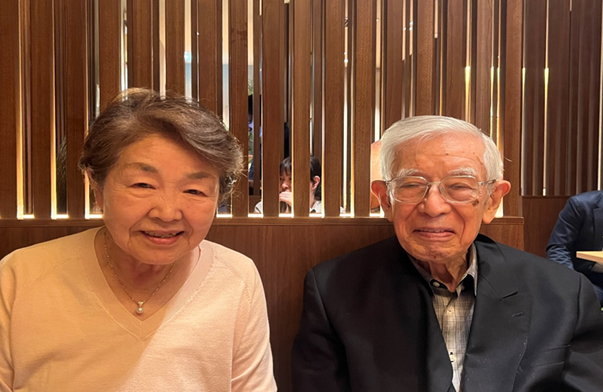
Above: This year Olivia returned to Japan and had the pleasure of visiting two of the hibakusha that she had interviewed for her Master’s thesis.
“Words are not enough to express how I felt hearing their stories; it is the hibakusha’s hope for peace that is a beacon of light. Despite the atrocities they faced, some individuals are choosing to share their stories in hope of positive change. My research and mahi focused on the human impacts, bringing the big events back to individual people — it gives them a voice. I share my work on speakup4peace.co.nz and strongly believe that voices have the power to create change.”
Earlier this year, Olivia represented the Peace and Disarmament Collective Aotearoa at a Peace Conference to commemorate the 80th Anniversary of the Victory of the Chinese People’s War of Resistance Against Japanese Aggression.
Delegates ‘spoke passionately about the importance of coordinated disarmament as a pathway to peace, and the essential role that trust and mutual respect among nations must play. Many reaffirmed the need to uphold peace as a shared responsibility, and the importance of remembering the past, not only as history but as a guide for the future’.
Olivia continues:
“This year, 2025, marks 80 years since the atomic bombing of Hiroshima and Nagasaki by the United States of America. Yet, in the time since then, eight further countries have gone on to develop these weapons of mass destruction. We must remember, peace is not merely the absence of war. The very existence of these weapons is destabilising and dehumanising. The threat they pose casts a long shadow, and forgetting history only increases the risk of repeating it.
In April this year, I had the opportunity to revisit some of the hibakusha I met five years prior. It was a special trip … . As time passes, fewer and fewer hibakusha are here to tell their stories. I carry their stories with me, and continue this work for them, for us, and for the hope that the future can truly be a place of peace.”
Hiroshima and Nagasaki – 80 years on – remembering the devastation
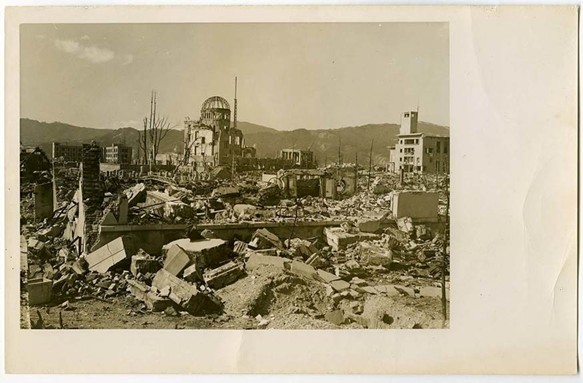
Above: A photo showing the devastation after the USA dropped the nuclear bomb on Hiroshima.
Key Dates and Facts to Reflect On
- On 6 August 1945, the United States dropped a nuclear bomb on the city of Hiroshima.
- On 9 August 1945, a second nuclear bomb was detonated over Nagasaki.
- Between 200,000 and 246,000 people—approximately 90% civilians—died as a result.
- Half of these deaths occurred immediately; others followed due to burns, injuries, and radiation exposure.
- In Hiroshima, around 70% of buildings were destroyed, burnt, or razed.
- Many hibakusha (survivors) have dedicated their lives to calling for a ban on nuclear weapons.
- In 2022, nuclear-armed states spent approximately $82.9 billion on their arsenals.
- There are over 12,330 nuclear warheads in the world spread across nine countries.
- Six other countries ‘host’ nuclear warheads — five of the six on behalf of the United States.
- Russia and the United States each have over 5,000 nuclear warheads.
- A single nuclear bomb dropped over a large city could kill millions.
- A sustained exchange of nuclear weapons would have a major impact on the global climate, creating a ‘nuclear winter’.
- A nuclear winter would affect countries far from the conflict and result in widespread famine.
On 6 August, dignitaries from around the world joined the (past) Prime Minister of Japan, Shigeru Ishiba; the Mayor of Hiroshima, Kazumi Matsui; and citizens in silent prayer to mark the 80th anniversary of the atomic bombing of Hiroshima.
Matsui’s words are chilling. He warns of a global and “accelerating trend toward military build-up… [and] the idea that nuclear weapons are essential for national defence,” calling this a “flagrant disregard of the lessons the international community should have learned from the tragedies of history.”
Peace Fest: Let’s Celebrate! Te Hui Taurima a Rongo: Whakanuia! Youth Peace Week 2025
What did schools in Aotearoa New Zealand and Pakistan do during Youth Peace Week 2025?
Read more below:
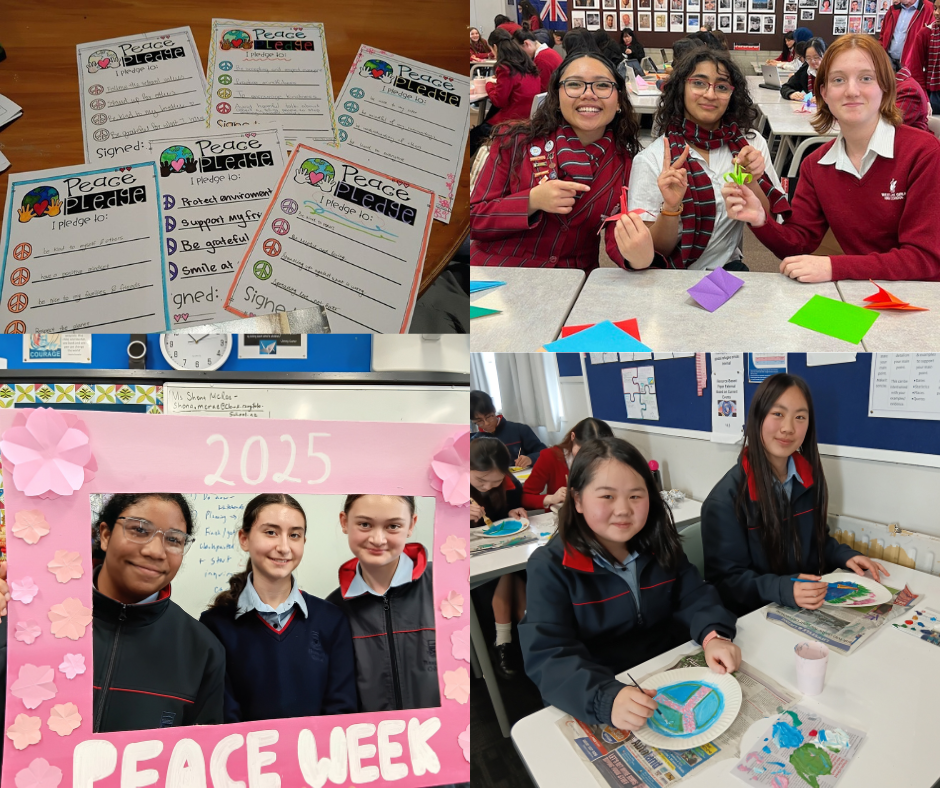
Above: Youth Peace Week at Westlake Girls High School and Rangitoto College.
Youth Peace Week
Aotearoa New Zealand
Youth Peace Week happens in August each year and coincides with Hiroshima Day on 6 August and Nagasaki Day on 9 August to educate people about the consequences of nuclear war and to campaign for a world free of nuclear weapons. The Peace Foundation creates a FREE toolkit for schools, filled with creative ideas such as community gardens, peace playlists, posters, and many more activities.
In 2025, Youth Peace Week took place from Sunday, 3 August to Saturday, 9 August. The theme for this year was:
“Peace Fest: Let’s Celebrate! Te Hui Taurima a Rongo: Whakanuia!”
This year’s Peace Week was especially significant as it marked the 50th Anniversary of the Peace Foundation. A total of 72 schools from across the country joined in the celebrations. Throughout the week, schools sent pictures and videos showcasing their activities. We loved seeing kaiako and ākonga having fun—dancing, painting, and even marching around the school to promote peace.
Pakistan
Not only in Aotearoa NZ, but also Peace Foundation partner, World Learning International School, led by Nadeem Ghazi, celebrated 2025 Peace Week in Lyari, Karachi, Pakistan. World Learning International School is committed to promoting peace and unity among young people and joins Peace Week each year.
During Youth Peace Week 2025, World Learning International School organised a range of inspiring activities across its campuses in Karachi. At the Kharadar Campus, students showcased their creativity through the Art and Expression project, designing posters and murals that reflected themes of harmony, kindness and unity. The Kindness Campus (Light House) hosted the Peace Poster activity, where students used colours, symbols and powerful words to express their visions of peace and compassion. Meanwhile, at the Main Campus (Moosalane), students participated in Community Action projects, including Peace Picnics, food-sharing activities, and the creation of Kindness Chains, demonstrating how small acts of care can strengthen community bonds.
Beyond these campuses, partner schools also played a vital role in spreading the peace message. Students at The Education Hub Secondary School took the Peace Builders’ Pledge, committing to kindness, respect, and non-violence in their daily lives. At Raza Foundation School (Kharadar), students planted trees and created Peace Gardens as symbols of hope and environmental care. The Al Musleh Foundation School engaged in tree planting and community clean-up drives, promoting sustainability as part of peacebuilding. Similarly, Al Karim Secondary School encouraged students to participate in a Recycling Activity under the theme “Save Earth,” turning waste into creative art projects to highlight environmental responsibility and collective action for a peaceful, sustainable future.
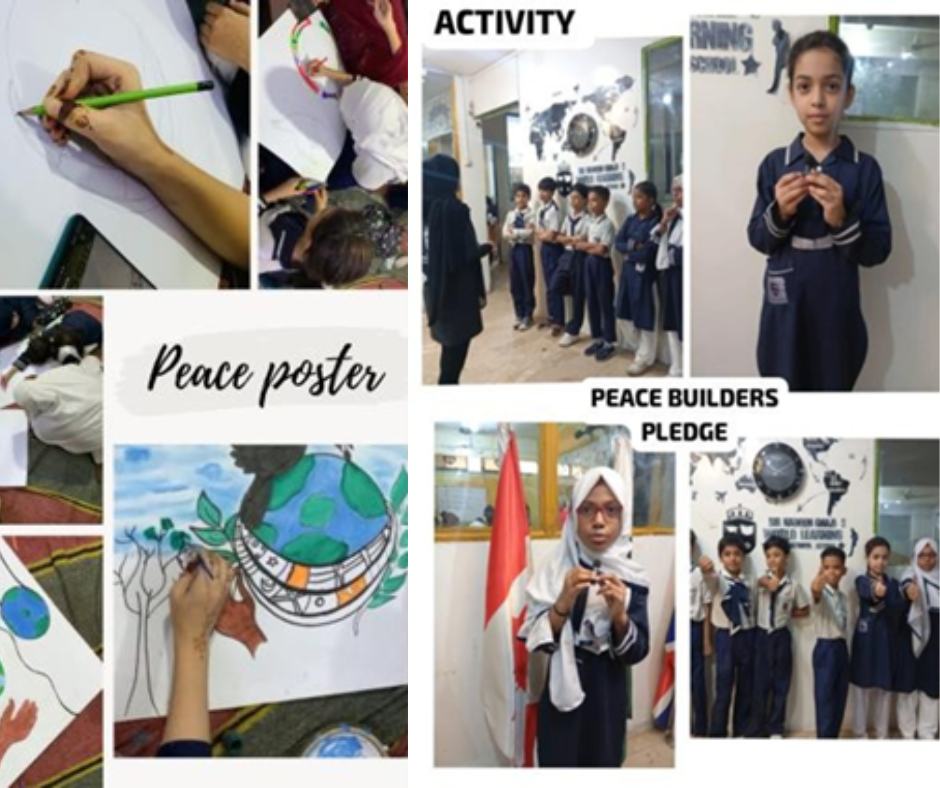
Above: Students in Pakistan created the Peace Builders’ Pledge and Peace Posters.
Peace Fest: Let’s Celebrate! Te Hui Taurima a Rongo: Whakanuia! - Youth Peace Symposium 2025
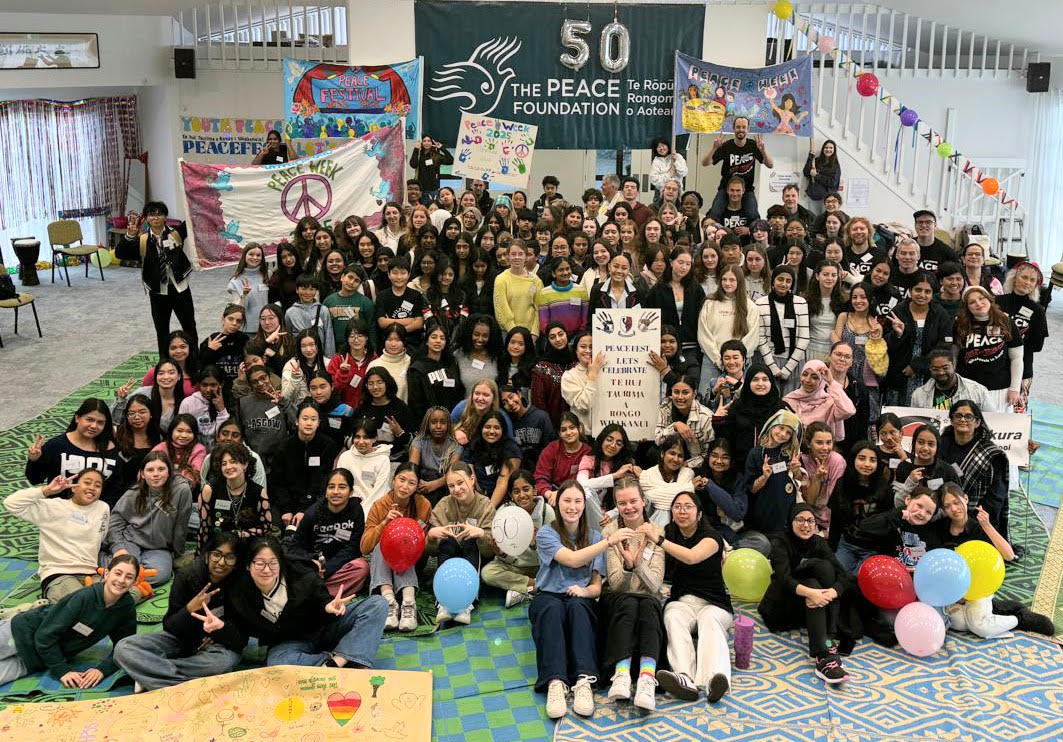
Above: Youth Peace Symposium 2025.
Attended by nine secondary schools and, for the first time, three primary schools, the event was a great success. With the generous support of Kenric Ma, General Director of Soka Gakkai International (SGI) New Zealand, the Peace Foundation was delighted to host the symposium at their beautiful venue in Ellerslie, Auckland.
After missing last year’s event, our lively MC Beth Humphrey made a cheerful return, bringing energy and laughter throughout the day. Performances by Emerson, the 2024 Smokefree Rockquest Solo-Duo winner, and Naimah Manchanda, the 2025 Play It Strange Peace Song finalist, filled the room with music.
Special guests Cam Calkoen – Mr. Awesome and Lawrence Xu Nan from the Green Party delivered powerful messages about dreaming big, perseverance, and youth leadership. Participating schools proudly showcased their Peace Week projects through creative videos and peace marches, while McAuley Girls’ High School captivated the audience with a stunning cultural dance from their Polyfest performance.
A highlight of the day was a surprise visit from the 88 year old Dr Pauline Tangiora, the Peace Foundation’s patron of 25 years plus, whose heartfelt message on peace and compassion deeply moved everyone. The event closed with Fraser Bruce leading a joyful drums and percussion session — a perfect finale to a day celebrating unity and hope.
Feedback from the symposium was overwhelmingly positive. Participants described it as inspiring, well-organised, and engaging. Many left feeling more confident and inspired to promote peace.
Ngā mihi nui to all the Peace Foundation team, Youth Peace Ambassadors, musicians, sound and stage support, videographer, photographer, our school participants and the sponsors. See you next year. Our 2026 theme is: ‘Peace & Sustainability’.
To look more closely at all the fun we had, check out our Symposium highlights:
Parihaka - 5th of November a day for all New Zealanders to remember
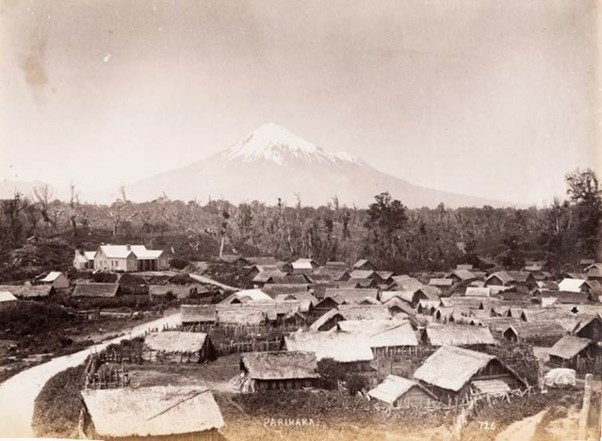
Above: Photo of Parihaka taken by Joshiah Marten 1880ca.
Photo Collection – Auckland Art gallery Toi o Tāmaki.
Most of us have heard of Mahatma Gandhi, who led the peaceful resistance against British Colonial rule in India, but we too, in Aotearoa – New Zealand have our own story of peaceful resistance. This is the story of Parihaka, in western Taranaki, and two remarkable men.
In the 1860’s, Māori leaders/prophets Te Whiti o Rongomai and Tohu Kākahi (both of Taranaki and Te Āti Awa iwi) began preaching peaceful resistance against the relentless encroachment of Pākehā settlers on Māori land. Much of this land had been confiscated from Māori by the Crown. In addition, promised reserves and the setting aside of places of cultural significance had not eventuated. Māori from diverse iwi and hapu travelled to Parihaka to join the movement. Visitors to Parihaka described it as a well-planned and orderly village. In 1879, Te Whiti and Tohu organised groups of ploughmen from Parihaka to travel across Taranaki and plough up blocks of settler land. Close to two hundred ploughmen (182) were imprisoned, most without trial, and some sent as far away as Ōtepoti – Dunedin. Closer to Parihaka, in 1880, as surveyors pegged out new roads, Māori by night removed the pegs and rebuilt damaged fences. Over time, 223 of these men were arrested. In total, 405 Parihaka supporters were arrested for their commitment to peaceful resistance. Prisoners were finally released in 1881; however, Parihaka troubles were far from over.
On 5 November 1881, approximately 1600 troops and volunteers invaded Parihaka. They were greeted by Parihaka residents, including women and children, seated on the ground. The invaders destroyed the village, cultivations, and stock. Those from other districts were forced to leave and return to their iwi/hapu. Te Whiti and Tohu were arrested, and laws enacted to restrict Māori gatherings and who could enter Parihaka.
The Crown was determined to punish and weaken the Parihaka movement and took back approximately 5000 acres of intended Māori reserve land to ‘compensate’ for its losses.
Sources:
https://teatiawa.iwi.nz/history/parihaka/
https://nzhistory.govt.nz/te-ra-o-te-pahua-invasion-pacifist-settlement-parihaka
https://natlib.govt.nz/blog/posts/remembering-parihaka
There are a number of books about Parihaka.
For adults, these include:
- Ask That Mountain: The Story of Parihaka, by Dick Scott
- Te Whiti o Rongomai and the Resistance of Parihaka, by Danny Keenan
- The Parihaka Woman, by Witi Ihimaera (historical fiction)
For children:
- Maumahara ki tērā Nōema, by Jennifer Beck and Lindy Fisher. Translated by Kawata Teepa.
- Remember That November, by Jennifer Beck and Lindy Fisher.
Film:
- Tatarakihi: Children of Parihaka (2012), film, NZ On Screen

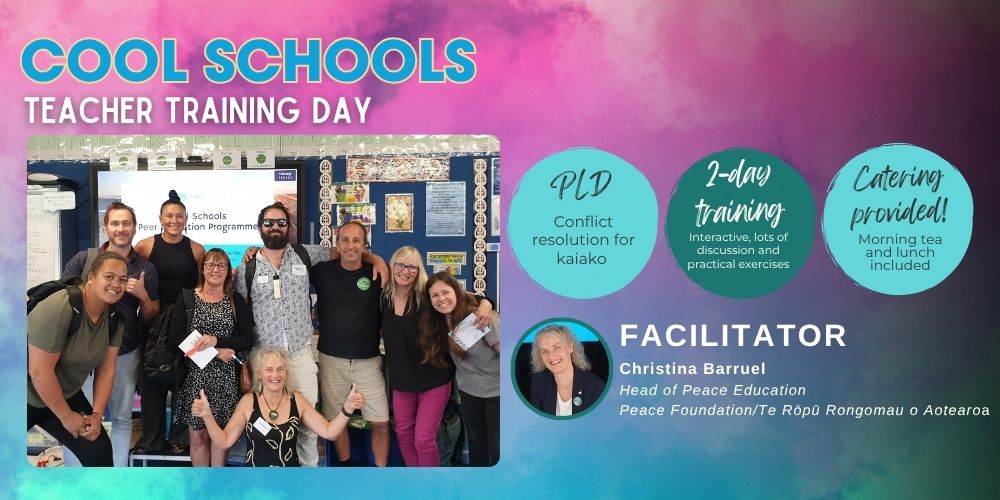
Join us for an enriching Cool Schools Coordinator’s Two-day Workshop in 2026, designed specifically for primary school kaiako. This workshop strengthens conflict-resolution capability and equips you with practical tools to empower your ākonga to manage their own disputes and become positive role models for their peers.
Across the two days, you will explore effective strategies to build independence, empathy, and constructive communication among tamariki — fostering a peaceful and resilient school culture.
By the end of the workshop, participants will be confident in training and supporting a team of school peer mediators and will understand how to establish a successful peer mediation service at their kura.
For more information about locations, workshop content, and registration, please visit the links below:
1. Te Moana-a-Toi / Bay of Plenty Cool Schools Coordinator’s Workshop
Thursday 12th and Friday 13th February (Week 2, Term 1, 2026)
More information and registration
2. Te Whanganui-a-Tara / Wellington Cool Schools Coordinator’s Workshop
Wednesday 4th and Thursday 5th March (Week 5, Term 1, 2026)
More information and registration
3. Tāmaki Makaurau / Auckland Cool Schools Coordinator’s Workshop
Thursday 12th and Friday 13th March (Week 6, Term 1, 2026)
More information and registration
For more information about Cool Schools (for primary schools) and LtPM (for secondary schools) in the South Island, please contact: tracy.scott@peacefoundation.org.nz

Our Special Pick for Primary School Children:
Anisa's Alphabet
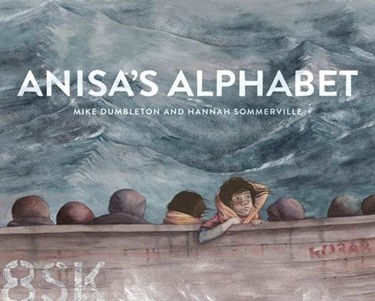
Author: Mike Dumbleton
and illustrated by Hanna Sommerville
ISBN 9781925227574
MidnightSun Publishing Pty Ltd., Rundle Mall, S.A., Australia, 2020
This is a beautifully illustrated alphabet book with a difference. Each letter is about Anisa’s experience as a refugee, living with, then fleeing from war. The author captures in rhyme the intensity and desperation. For Anisa, ‘G is for guard, waving his gun; H is for a hot tent in the sun’.
The 24 alphabet letters take us through the many and varied stages of the family’s journey, such as handing money to a guide who will take Anisa and her parents to the coast and an awaiting boat.
The final double-page challenges us. This story does not have a resolution. Like many other children, Anisa and her friends are in a detention centre, awaiting to know their fate. In the meantime, Anisa draws pictures and dreams of a better life.
Our Top Pick for Adult Readers:
What We Owe The Future
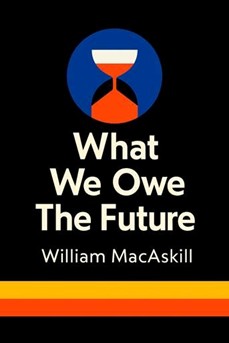
Written by William MacAskill
Published by Basic Books and One World 2022
ISBN 978-1-5416-1862-6
‘Whether the future is wonderful or terrible is, in part, up to us.’ — William MacAskill
Essential for peaceful relationships within and between different societies is that we live in a just and fair world, where people’s basic needs are met. Scottish philosopher William MacAskill explores ideas that relate to this. His first book, Doing Good Better: Ethical Altruism and a Radical New Way to Make a Difference, argued that we have a moral obligation to address inequity and looked at how this could be achieved through informed altruism.
His recent book, What We Owe the Future, also explores moral obligation, but in this instance — our obligation to future generations. This is described as long-termism. Put simply, MacAskill argues that the well-being of future humans depends on the decisions we make today and our actions. MacAskill sees this as more than addressing climate change, saying we need to think carefully about the values, and social and political processes and structures we leave behind.
MacAskill calls for the dissemination of information, education and learning that ensures people are well informed and willing to explore ideas, reflect and engage in dialogue, and that social and cultural diversity are valued. He describes the present as a time of rapid change, flux and uncertainty, and therefore a period of plasticity and risk. One risk is that poor decisions could result in the emergence and entrenchment of autocratic political systems and ‘value-lock in’.
This book is an interesting read that challenges us individually and collectively to be more mindful of those who will live on the earth when we are gone – our children, their children and their children in turn, etc. This review is a snapshot of just some of the ideas MacAskill explores.
Recent Comments