
Take the Jump – Kia Māia te Peke
Did you know that there is a user-friendly New Zealand website with useful ideas as to how we can live in a more sustainable way?
Here’s the link – Take the Jump – New Zealand
It’s easy to feel hopeless in the face of climate change but Take the Jump NZ challenges us to act. Take the Jump NZ identifies seven areas where we can make a difference, outlining actions that are ‘clear, constructive, impactful and doable’. Take the Jump encourages us to begin with small changes, recognise that sometimes we won’t measure up, but commit to action.
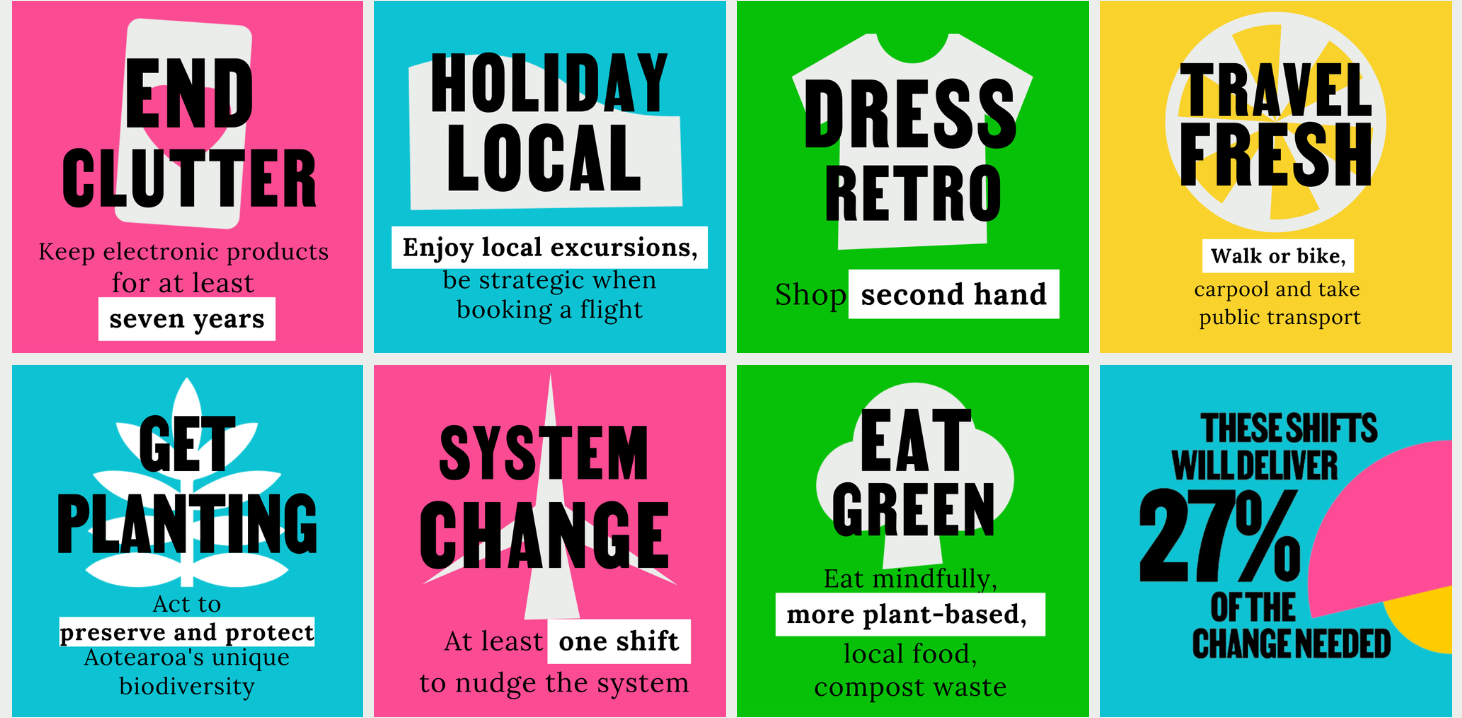
Under each area, there is a ‘How to Guide’ with useful suggestions. There’s also a ‘Why …’ section that gives a brief overview of the relevant science. For example, under END CLUTTER, we are encouraged to be thoughtful about what and when we buy new items. Instead, we are encouraged to purchase items that last, repair items, and shop second hand.
I especially liked HOLIDAY LOCAL. This guide encourages us to value the beauty and opportunities that holidaying within Aotearoa-New Zealand offers. It suggests staycations – enjoying a holiday break at home with time to explore ‘what’s on your doorstep’. It encourages us to fly less and make better use of public transport. Under the ‘Why’ section, the site explains why we need to make these changes.
Take the Jump began in the UK but has become a global movement. The UK and NZ websites are useful resources for individuals, families and schools that want to make a difference. For teachers and parents, remember to encourage students/your children to see the links between climate change, resource and species depletion, extreme weather events, food shortages, mass migration, political instability, and civil and inter-state conflicts.
Peace, Conflict and Sustainability are Deeply Intertwined
Contributor – Janet Pereira
This year’s 2026 Youth Peace Week and Youth Peace Symposium theme was Rangimarie me te Toitūtanga – Peace and Sustainability.
Civil and international conflict causes pollution and other damage to the environment. This means that war impacts negatively on sustainability and people’s access to healthy food and clean water. The United Nations Environmental Protection (UNEP) has published a statement about the impact of war. It is included in this PeaceWorks to highlight the issue and generate thoughtful discussion.
⚠️ Warning:
The image below of the catastrophic environmental damage arising from the US-Iran conflict may be upsetting for some, so please use viewer discretion.
Environmental Damage Arising from Conflict
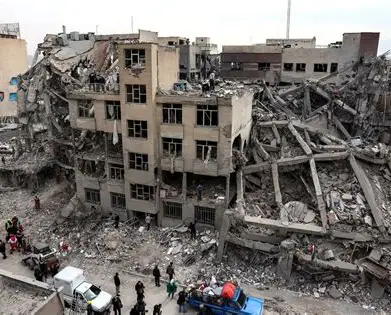
This image was taken on Day 13 of the US-Iran conflict.
Here is the UNEP statement on environmental damage arising from the conflict in the Middle East.
Escalating violence across parts of the Middle East is claiming civilian casualties, displacing communities, destroying infrastructure, and driving widespread environmental damage.
Strikes on oil facilities, including those occurring close to – and within – urban areas such as Tehran, have been confirmed via remote sensing methods.
Heavy smoke from burning oil, which includes hazardous compounds, is now being directly inhaled by people in Iran – including young children – raising serious concerns about long-term impacts on both human and environmental health.
Experience from other conflicts shows that large oil fires and spills can cause extensive environmental contamination and pose significant health risks from exposure to smoke, particulates, and toxic emissions.
Pollution from uncontrolled fires may also enter soil and water, leach into groundwater, and be absorbed by crops, contaminating food supplies. Oil spills have also been reported in marine areas, further impacting the health of coastal communities.
Before this conflict began, the region was already facing severe environmental stress, especially relating to water resources. Strikes on desalination plants in several countries risk catastrophic consequences for communities that rely on them as a lifeline for water. The conflict will likely cause even greater stress on natural resources, damage marine and terrestrial ecosystems, set back efforts to enhance water and climate resilience, and impact the food chain and food safety.
Widespread use of munitions may lead to the release of heavy metals and toxic chemicals into the environment. While testing is not yet possible, modern munitions commonly contain heavy metals and explosive chemicals, all toxic even in the most modest quantities.
UNEP echoes the UN Secretary-General’s call for an immediate cessation of hostilities. This is essential to end the destruction and allow the people – and the environment – of the region to begin a process of recovery.
Youth Peace Week and Youth Peace Symposium 2026
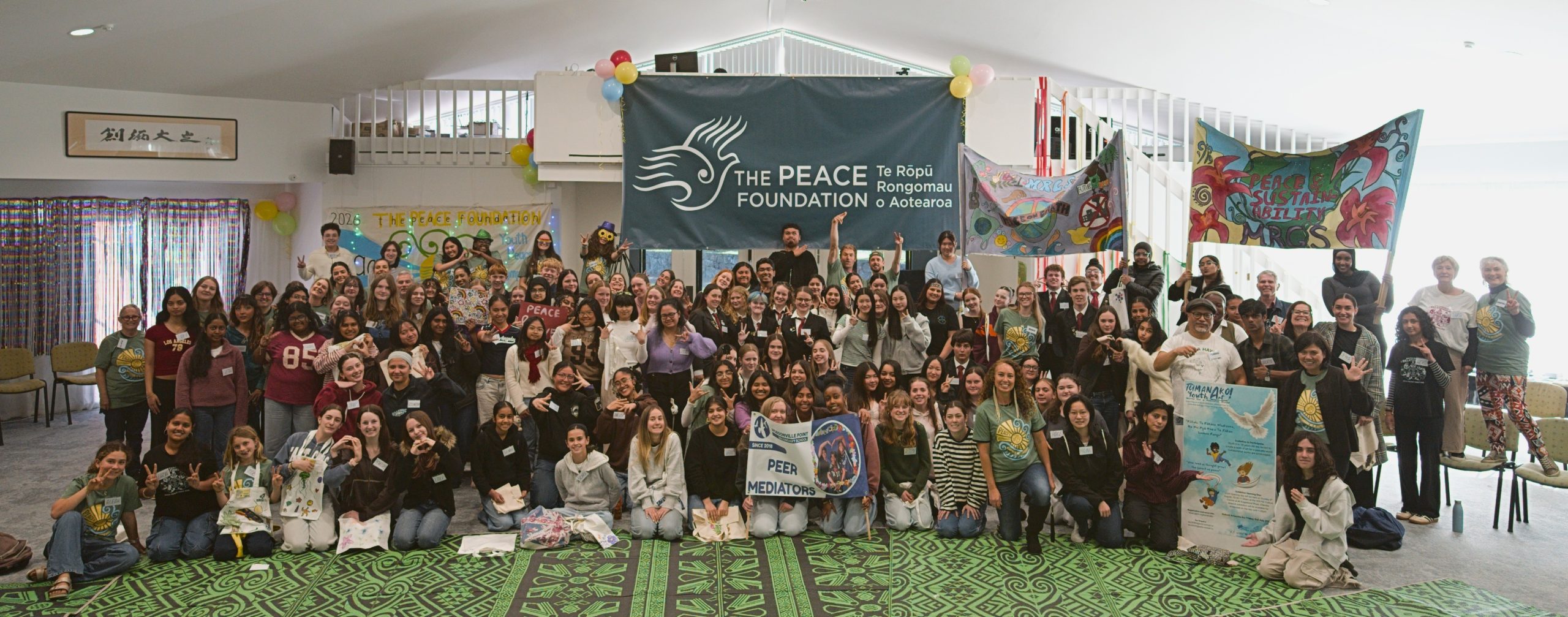
Peace and Sustainability – Rangimārie me te Toitūtanga
Every August, The Peace Foundation provides a Youth Peace Week toolkit with information about the year’s chosen theme and a range of activity ideas for schools and organisations wanting to get involved. Youth Peace Week coincides with Hiroshima Day on 6 August and Nagasaki Day on 9 August, creating an opportunity to learn about the consequences of nuclear war and promote a world free from nuclear weapons. This year’s theme was Peace and Sustainability – Rangimārie me te Toitūtanga, and for the first time, we developed three separate toolkits: Primary and Intermediate, Secondary, and Community. Each toolkit offered activities and resources exploring how peace and sustainability go hand in hand.
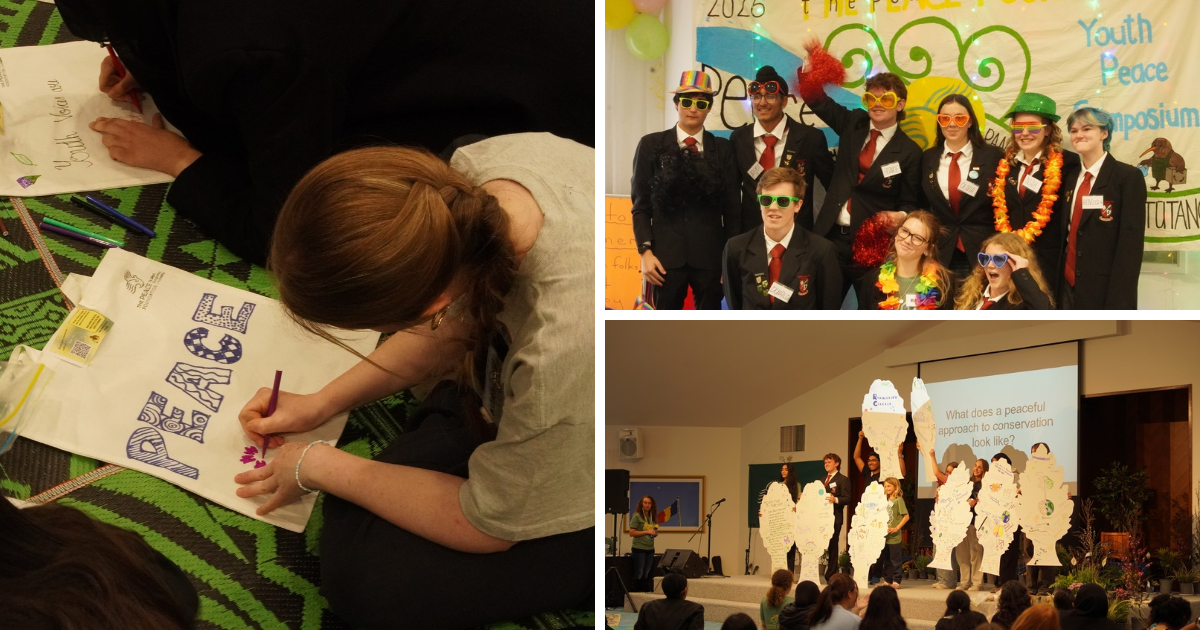
The Peace Foundation collaborated with Eco Choice Aotearoa to develop the toolkits and with Day One to open a short film competition. From 3–9 August, ākonga across Aotearoa and Pakistan took part in Youth Peace Week, creating and leading activities in their schools to celebrate sustainability, encourage positive action, and explore the connection between caring for our environment and building peaceful communities. We were delighted to have 80 schools across Aotearoa and Pakistan take part this year, bringing the theme to life in their own communities.
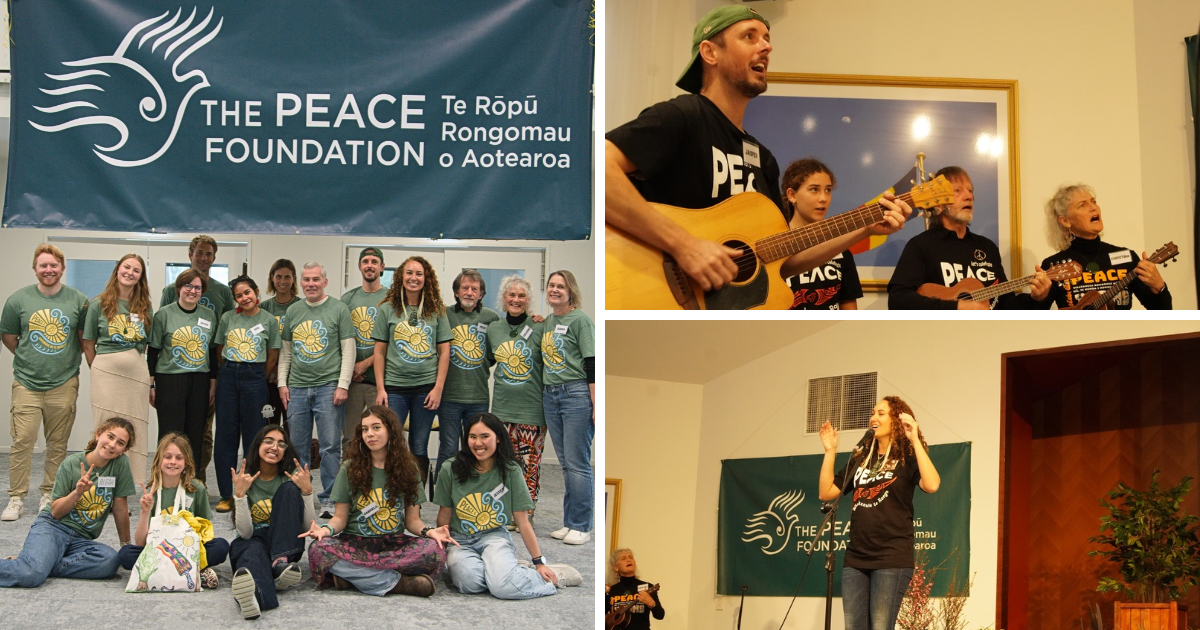
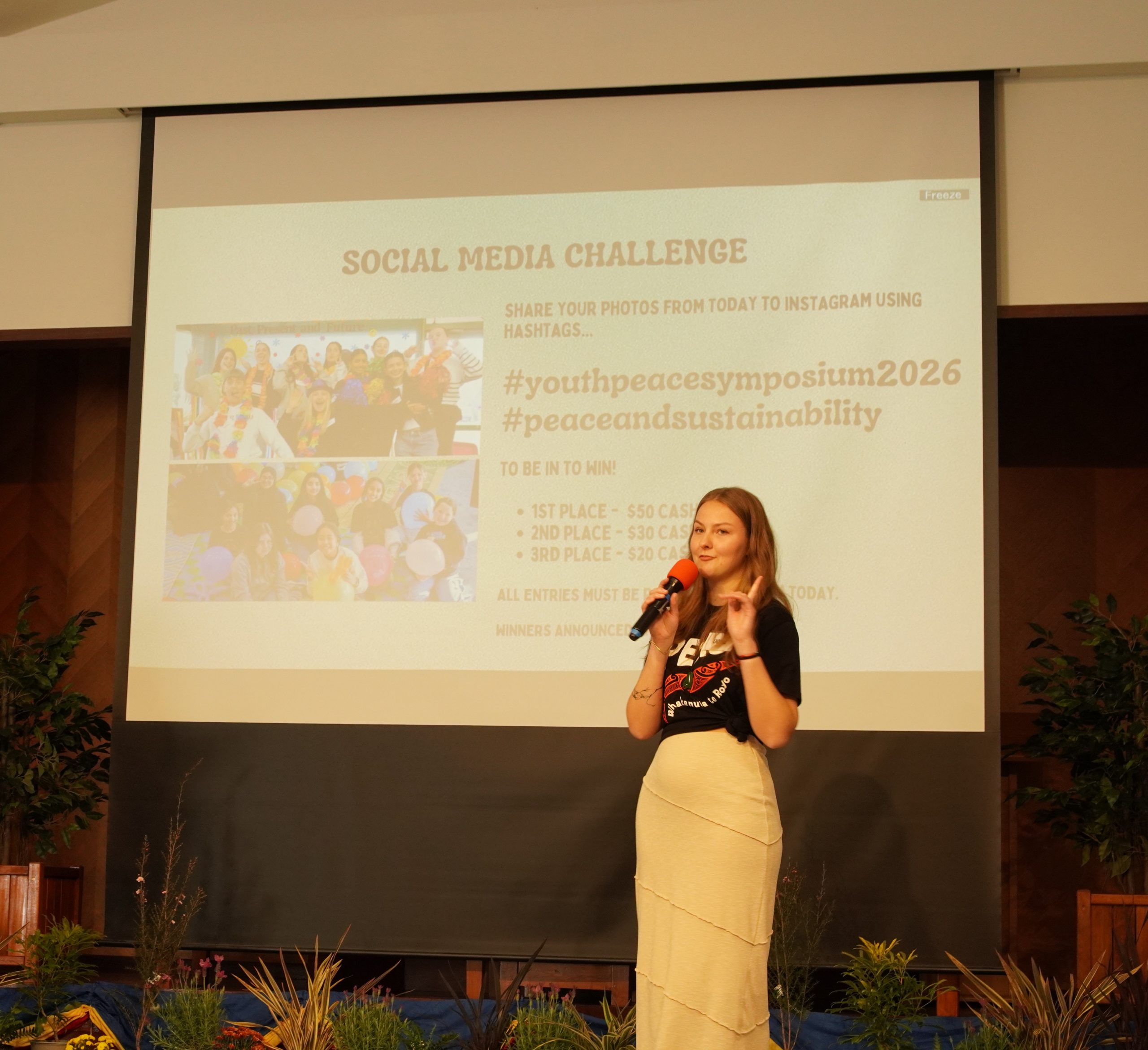
The momentum continued on 21 August with our Youth Peace Symposium, where more than 100 students came together for a day of learning, conversation and connection around peace and sustainability. We welcomed students from Albany Senior High School, Hobsonville Point Secondary School, Mount Roskill Grammar School, Rutherford College, Taupō-nui-a-Tia College, Tuakau College, and Western Springs College, with Tuakau College joining the symposium for the first time. Guest speakers Teanau Tuiono, Sam the Trap Man, and Dr Andrea Edwards shared their knowledge and experiences across peace, environmental action and social justice, while McAuley High School brought extra energy to the day with a special performance. The symposium gave ākonga a space to meet, exchange ideas and take new inspiration back to their school communities. We are grateful to our sponsors and supporters, including SGI New Zealand, who have generously provided the venue for the past two years. A big ngā mihi also goes to all our performers, volunteers, interns and the Peace Foundation whānau who helped make Youth Peace Week and the Symposium possible.
Ugnė Valeikaitė
I am an International Politics and Development student in Lithuania. As part of my studies, I decided to do an internship abroad, and after a long search, I ended up at The Peace Foundation. I was glad to have the possibility to choose the projects I would like to invest my time in, as it allowed me to explore topics that are closely related to my studies and interests.
During my internship, I had the pleasure of delivering a lecture at the University of Auckland about nuclear disarmament. I also created my own REACT presentation on the Responsibility to Protect, which gave me an opportunity to research the topic in greater depth and think about how complex international political issues can be presented engagingly and understandably.
My internship started right on time to assist with the preparations for the Youth Peace Symposium. It was super fun to draw the banner and see the sponsors’ donation pile slowly fill up. I also had the chance to see the Symposium come together, from preparing the venue and helping at the registration table to meeting guest speakers and supporting the team throughout the event.
This internship not only allowed me to learn more about International Politics and peacebuilding, but also helped me improve my skills in event planning, communication with sponsors, content creation, and working in an intercultural environment. It was also a valuable opportunity to become more independent and gain experience outside my usual academic environment.
It was a lovely experience spending several months with The Peace Foundation team. Their support, openness, and cheerful mood made me feel welcome and made the whole internship even more enjoyable. I am grateful for the experience and everything I learned during my time in New Zealand.
Honelegn Berhanu
My name is Honelegn Berhanu Tadesse. I’m Ethiopian and 39 years old. I’m a young peacebuilder. I hold a Master’s degree in Social Psychology from Hawassa University, obtained in June 2027 G.C and a Bachelor’s degree in Psychology with a Minor in Sociology and Social Work from Jimma University in 2009 G.C.
I am interested in peace internship programmes. First and foremost, it’s directly relevant to my work as the Peace-building Programme Coordinator at Tearfund Ethiopia. In this role, I’m responsible for coordinating, leading, and ensuring the effective implementation and management of the Tearfund Ethiopia component of the peace-building project since October 1, 2024. In previous years, I had also experiences of working with different local and international development organisations in the area of child sponsorship and community development programs in different positions since October 2009. Therefore, attending this internship will enable me to acquire basic knowledge and skills in the areas of peace-building and conflict resolution. Moreover, attending this internship will enable me to develop analytical expertise in relation to leading my work related to peace-building, religious freedom, and women’s and youth’s rights. It will also help me to strengthen my work related to eradicating poverty and fostering youth engagement in development through peace-building and ensuring freedom of religion and belief. For this reason, attending peace internship programs will enhance my knowledge and skills to develop appropriate interventions that can help ensure a peaceful and just society.
Last but not least, there is a scarcity of technically and professionally capable manpower in peace-building at different levels across the world. Therefore, training in this field is instrumental and has strategic importance to my career development.
Therefore, my goal as an intern at the Peace Foundation would be to learn and implement peace-building efforts among youth in schools and community outreach in my future career.
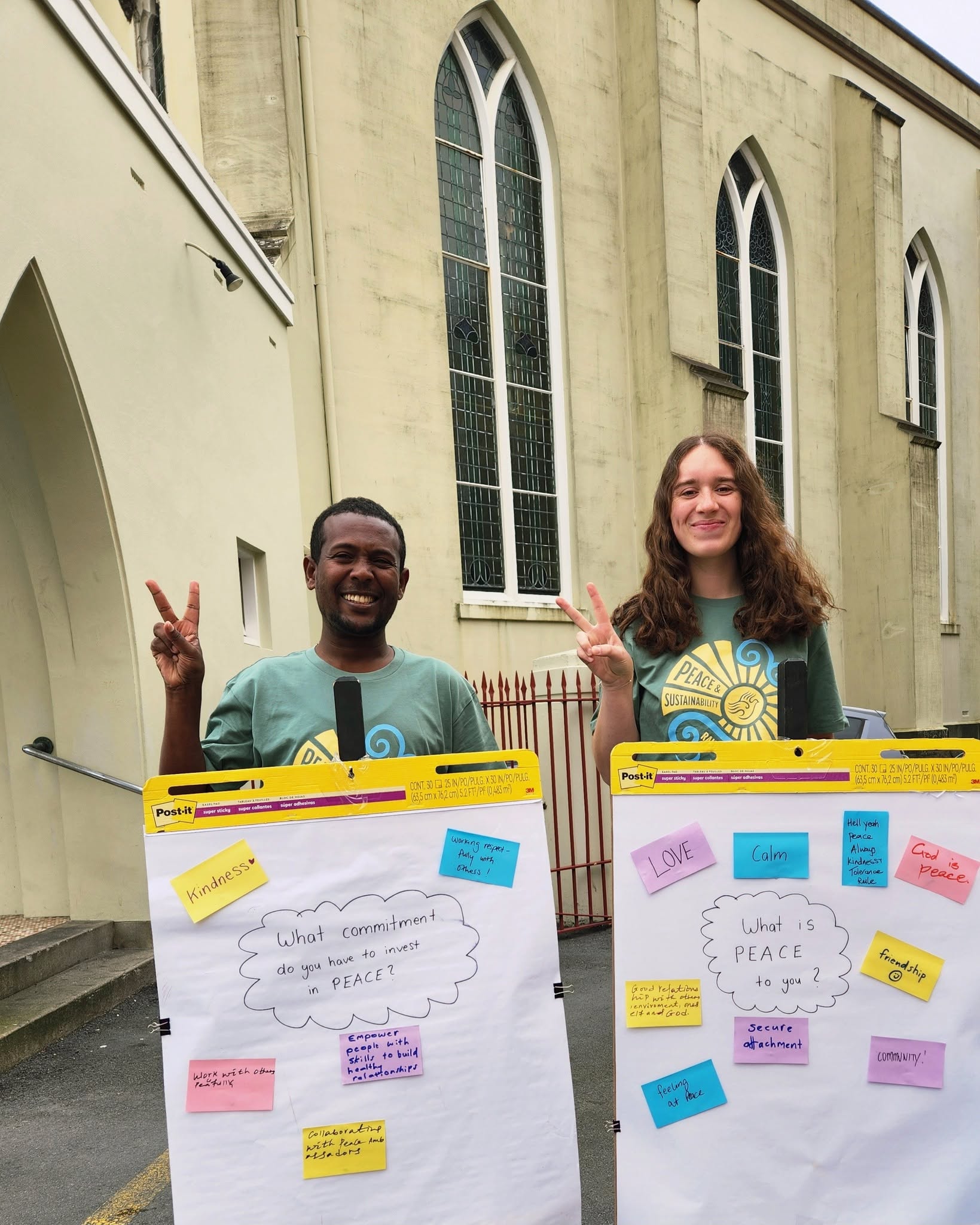
Honelegn and Lea at the International Day of Peace
Lea Brunner
My name is Lea, I am 22 years old and I am currently in my third year of studying International Social Work in Ludwigsburg, Germany. Last semester, I had the opportunity to study at Ulster University in Northern Ireland, which was a great experience for me and gave me the chance to study and live in a different cultural environment.
During my studies and through practical experience, I have worked in different areas of social work. I have worked with children and young people, people experiencing substance misuse, as well as people with disabilities and learning disabilities. These different experiences have helped me understand how diverse social work can be and have also made me curious about working in different countries and learning about different approaches.
Coming to New Zealand has been a dream of mine for a long time. I have always wanted to see the country, experience its amazing landscapes and, most importantly, get to know a new culture and way of life. I am also interested in seeing how social work and community work are approached here compared to Germany. For me, travelling is not only about seeing new places, but also about meeting new people, making experiences and stepping outside of my comfort zone. I am really looking forward to taking all of these experiences with me and learning from them.
As my internship at the Peace Foundation is relatively short, one of my main goals is to get an insight into how a non-profit organisation works and how it is organised on a day-to-day basis. I would like to learn more about the different projects and areas of work at the Peace Foundation and understand how they contribute to creating a more peaceful community. I also hope to bring some of my own experiences and ideas from my studies and previous work with me. Most of all, I want to stay open, learn as much as possible and make the most of my time at the Peace Foundation.
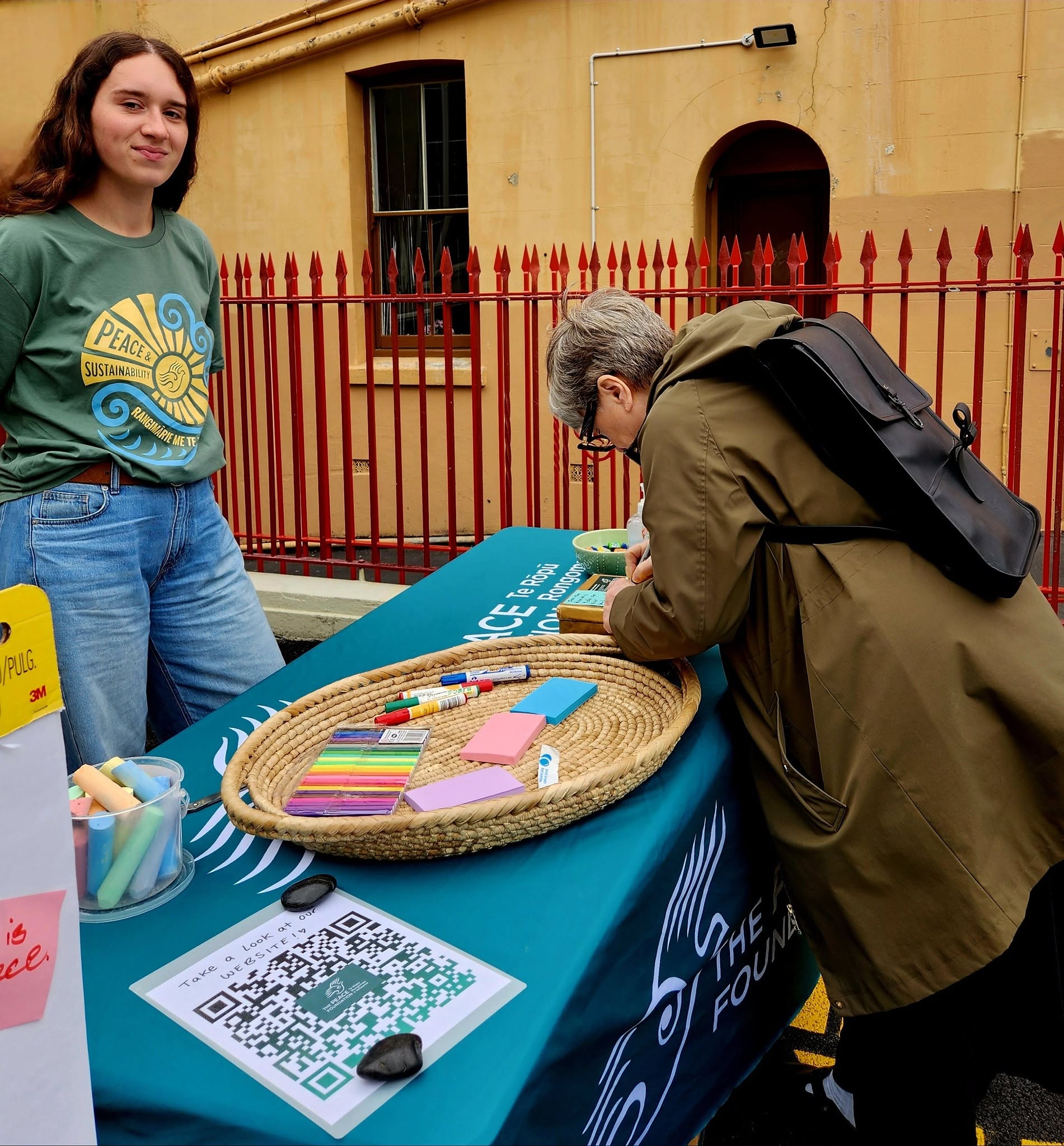
Lea at the International Day of Peace
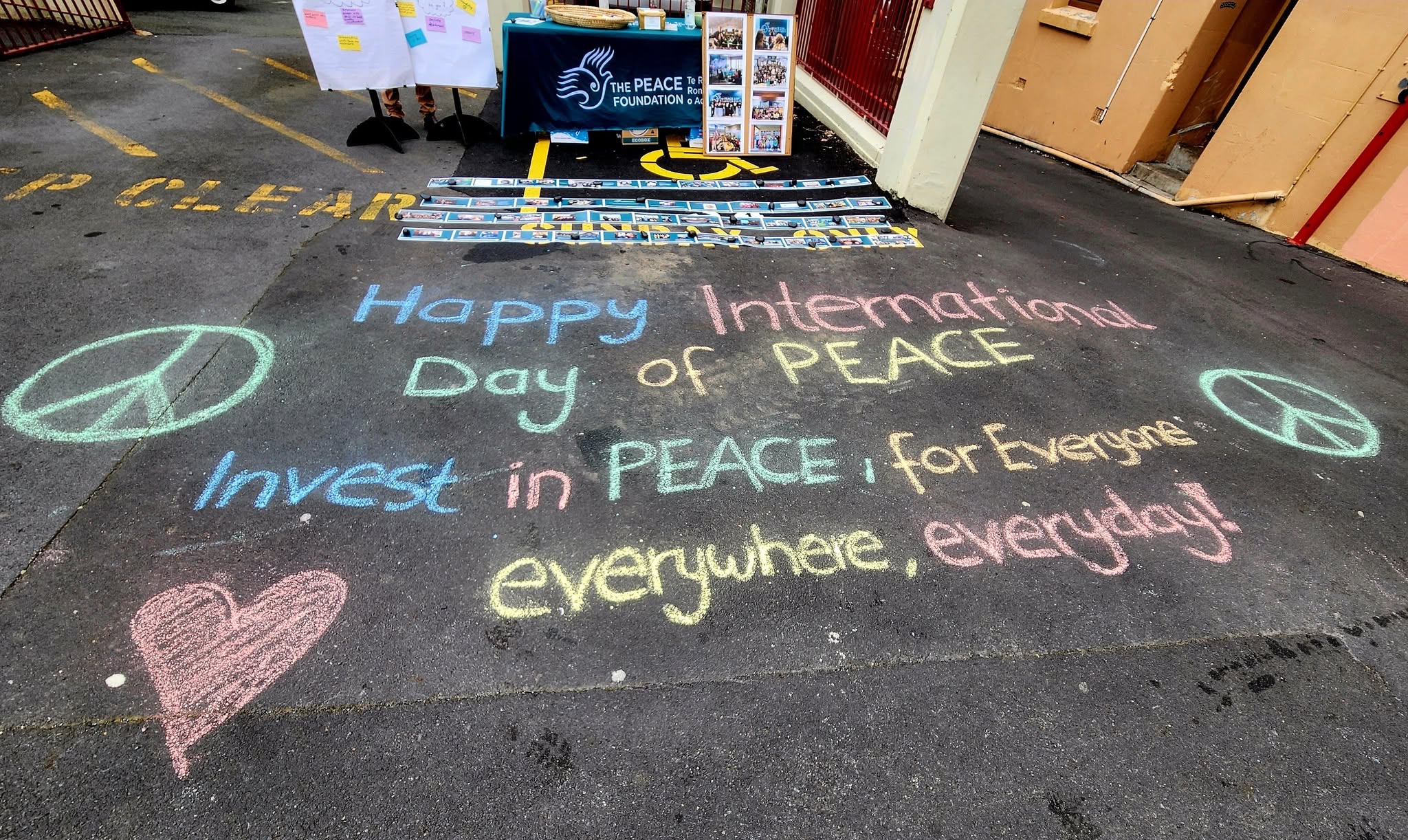
International Day of Peace 2026 – Invest in Peace – For Everyone, Everywhere, Every Day
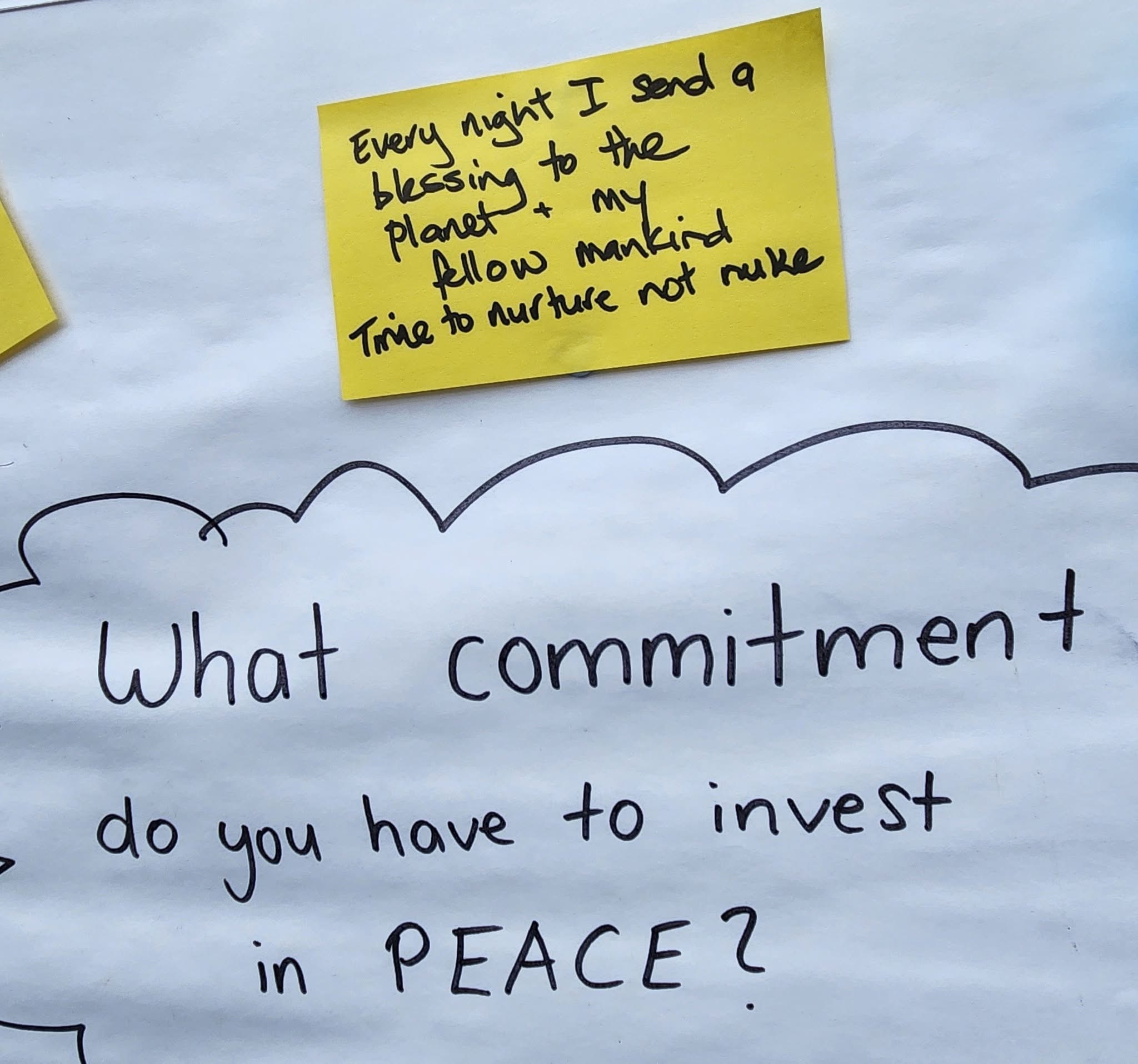
On 21 September, we celebrated the International Day of Peace, with this year’s theme, Invest in Peace – For Everyone, Everywhere, Every Day. Our interns, Honelegn and Lea, prepared a range of activities to mark the occasion, including a Peace Exhibition and Peace Messages. The exhibition highlighted The Peace Foundation’s history, our work, and our contribution to peacebuilding and peace education over the past 50 years in Aotearoa and beyond. We also invited visitors to reflect on what peace means to them and share the commitments they can make towards building a more peaceful community.
It was a great day connecting with our local community and celebrating peace together. Thank you to everyone who joined us and shared in kōrero, waiata and peace messages throughout the morning. It was especially meaningful to hear from people in our community and learn about the mahi they are already doing to promote peace in their everyday lives.

Get Ready for Peer Mediation Training in 2027
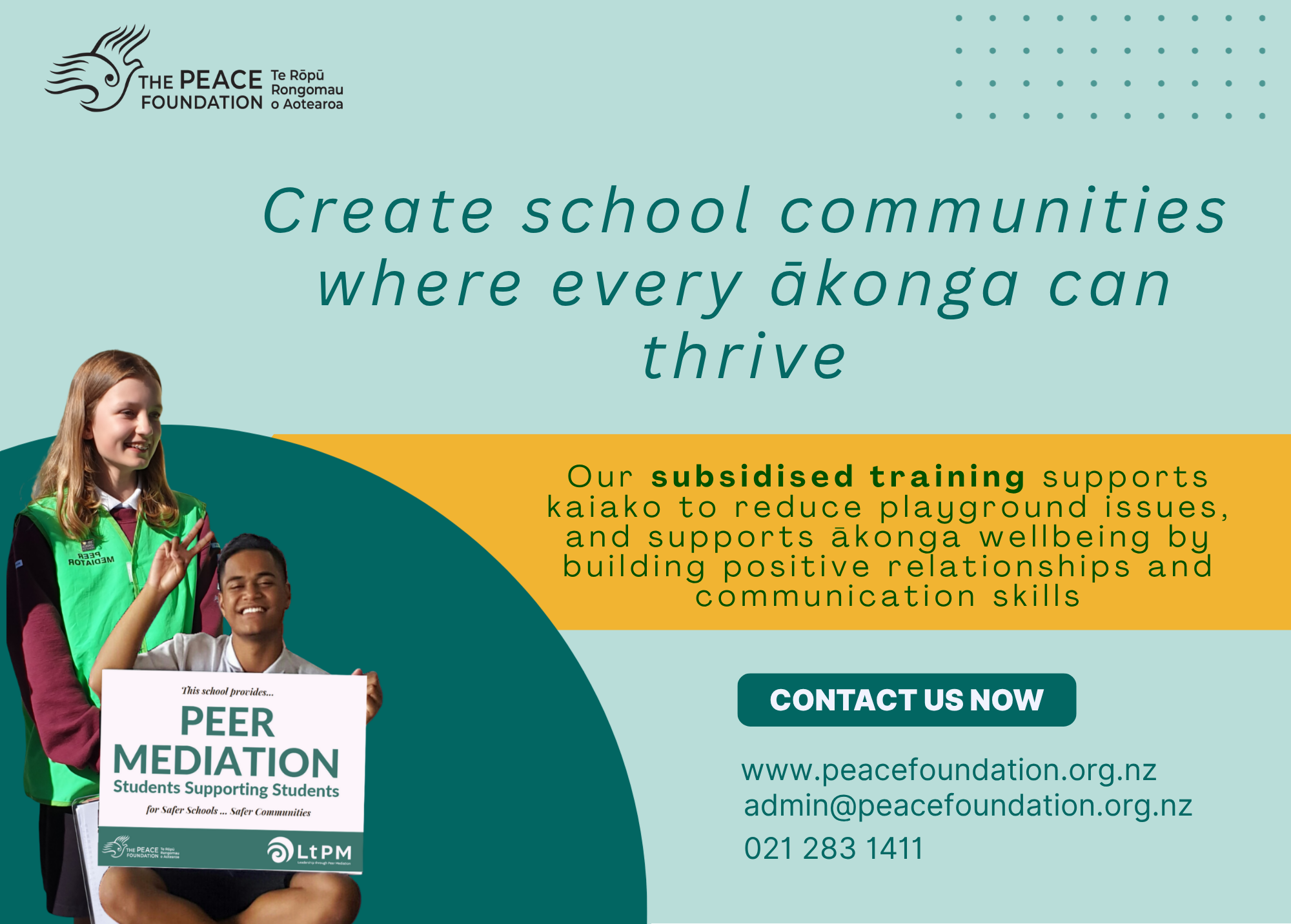
Planning ahead for 2027? Our subsidised Peer Mediation training supports ākonga wellbeing, strengthens communication skills and helps create safer, more positive kura communities. Get in touch with us to bring Peer Mediation training to your school next year.

Our Top Pick for Secondary Students and Adult Readers:
Climate Change: Why the world’s climate is changing, its impact and what we can do to protect the planet
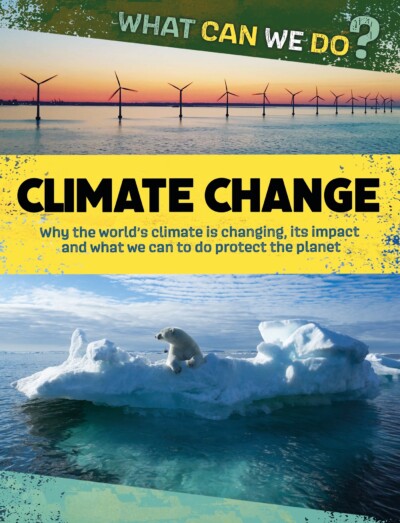
Edited by Katie Dicker
What Can We Do? Series, published by Franklin Watts, London and Sydney, 2024.
ISBN 978 1 4451 8806 5
With the Peace Foundation’s 2026 focus on sustainability and peace, I highly recommend this book on climate change for home, and school and community libraries. The book is visually appealing with its careful balance of photos, charts and text. Independent reading age – 12+.
Climate change, peace and conflict are not inseparable. Climate change results in droughts, water shortages, reduced agricultural production, poverty, migration by necessity and increased likelihood of civil and global conflict.
The book begins with an explanation of climate change and international efforts to address this. It then looks at different areas, such as Changing Weather, Melting Ice, Ocean Impact, Energy for Buildings, The Food We Eat, etc. Throughout the book, there are examples of positive actions that individuals, cities and countries have taken. Yes – whilst our cities quibble over cycle lanes, Amsterdam has 515km of cycle paths that are heavily used. There, almost half of commuters travel by bike! But perhaps the greatest value of the book lies in its What Can I Do? suggestions. These are practical ideas that each of us can take to make a difference.
Our Special Pick for Primary School Children:
Once I Was a Tree
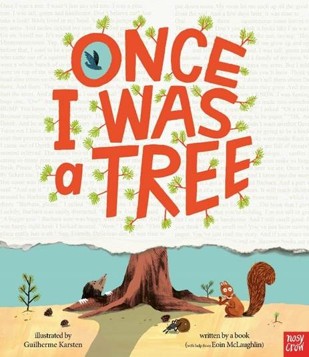
Written by Eoin McLaughlin and illustrated by Guilherme Karsten
Published by Nosy Crow, Ireland, 2025
ISBN 978 1 80513 720 7 (PB)
Children’s picture book (suitable for ELC and primary).
Laugh is appropriately part of the author’s surname. McLaughlin’s humour enchants the adult and child alike. The story follows the life cycle of a pine tree from seed to sapling to mature tree, and finally to the book in the reader’s hands. When squirrel Derek eats a small pine seed, the seed finds itself travelling through his gut. In Seed’s words, “It was a very dark time. But I was ok. Turns out I have an impermeable outer layer.”
Children will delight at Karsten’s quirky illustrations, such as the surprise on the squirrel’s face when the seed comes out of its bottom and Derek exclaims, “It was a tight squeeze.” He surmises that he should stop eating pine seeds and advises the reader, “I no longer smell pine fresh. Please. DO NOT SMELL ME.”
The final pages of the book emphasize how the tree has enabled the magic of printing books. However, this book is perfect for talking more broadly about how essential trees are in everyday life and for the wellbeing of Planet Earth. This book is a must for school libraries and as a gift.
Hauraki Broo – Ngā Purū o Hauraki
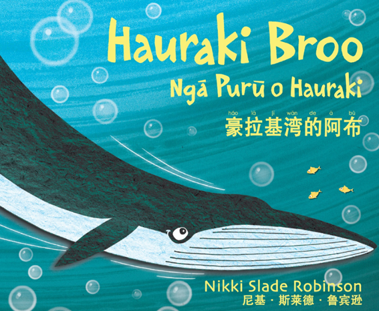
Written and illustrated by Nikki Slade
Māori translation by Tane Karamaina
Chinese translation by Hazel Shao
Duck Creek Press 2022/2026
ISBN 978 1 927305 88 1
Children’s picture book suitable for primary school age.
Here is a story about the importance of looking after our marine environment in New Zealand and beyond. Set in the Hauraki Gulf, the main character is Broo – a Bryde’s whale. These unusual whales are found in the Hauraki Gulf Marine Park, close to Auckland and in the Atlantic and Indian Oceans.
The story follows Broo on his search for food.
The story begins with Broo cruising past ten prickly kina (sea eggs), nine leather jacket fish etc., his tummy rumbling as he searches for small fish and krill. As Broo cruises through the water, he notices that there are fewer fish and seals. He also encounters noisy fishing boats and container ships that disturb his quiet world. Worse is to come when a large, hungry orca appears. His once beautiful environment has plastic rubbish floating in the water.
At the back of the book there is useful information about the Bryde whales’ habitat, their appearance, habits and food sources. WOW – imagine being three metres long and weighing about 900 kilograms when born.
This edition is in three languages (English, Māori and Chinese). Familiar Māori words are also interspersed in the English text.
Recent Comments